Introduction –
Glaucoma is often called the “silent thief of sight,” and for good reason. It
can gradually damage vision without obvious early symptoms, making it
one of the leading causes of irreversible blindness worldwide. While
glaucoma affects both men and women, research shows that women may
face a higher overall risk, especially as they age. Understanding why
women are more vulnerable—and what can be done about it—is essential
for prevention and early detection.
What Is Glaucoma?
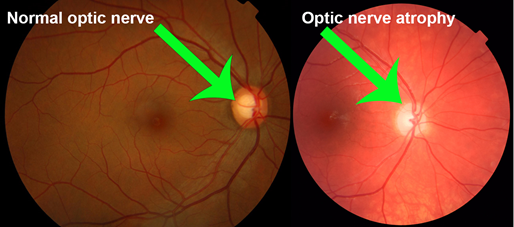
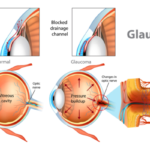
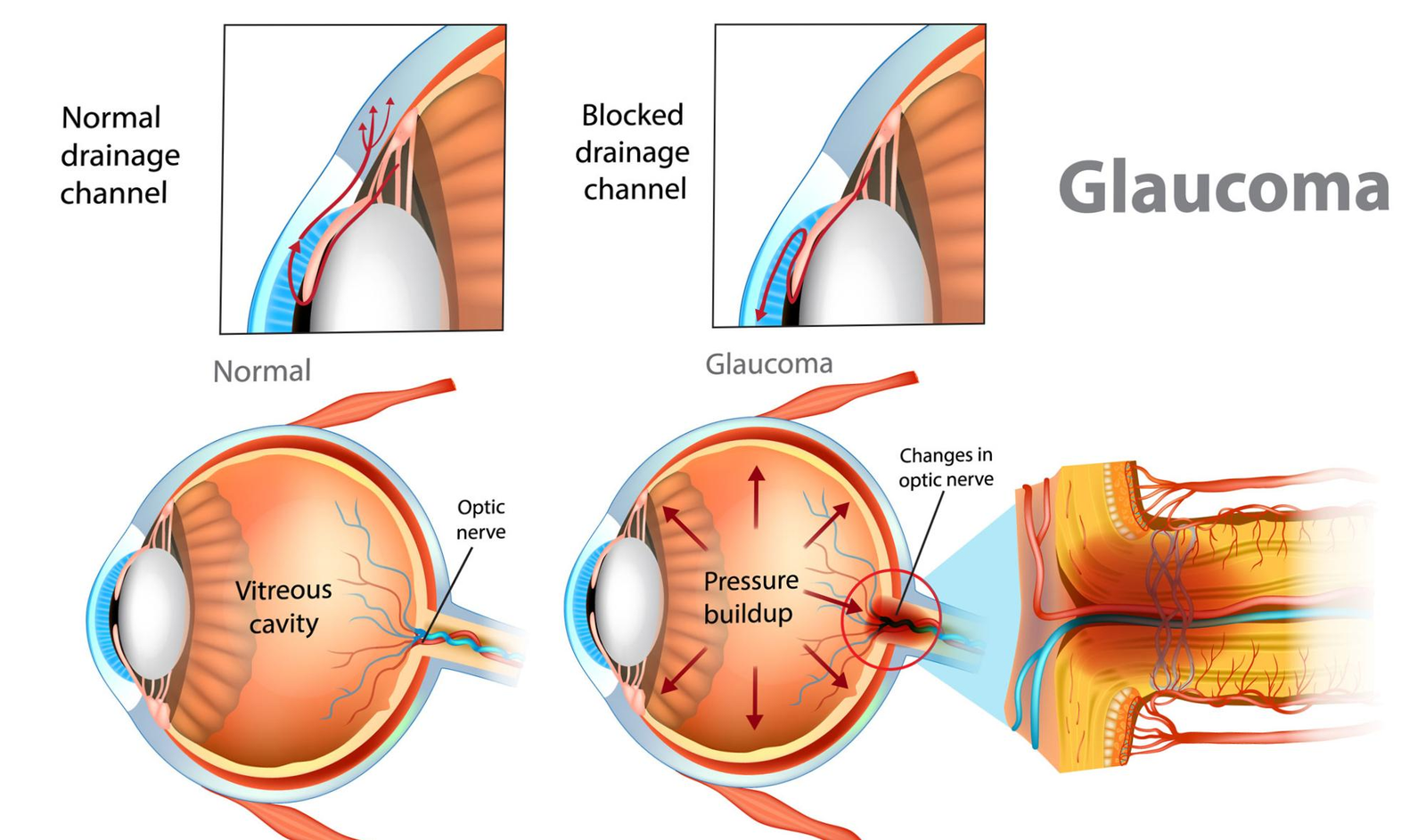
Glaucoma is a group of eye diseases that damage the optic nerve, which is
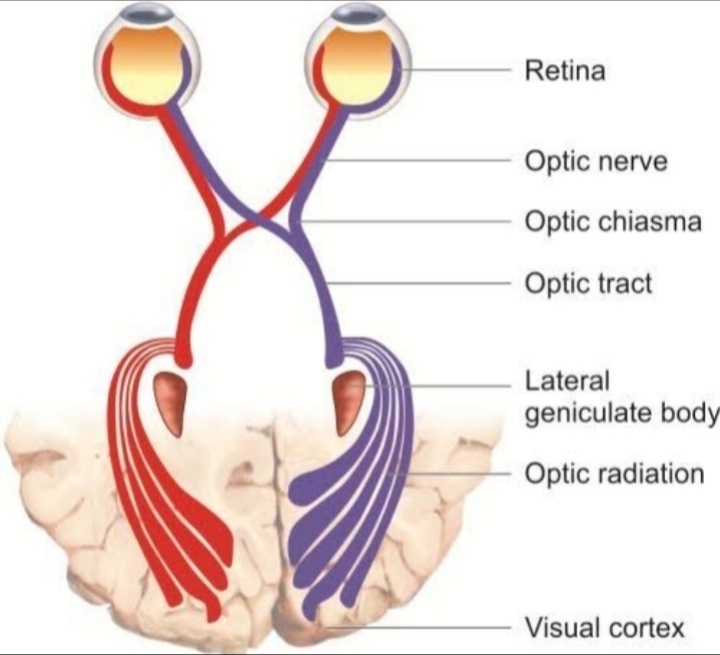
responsible for transmitting visual information from the eye to the brain.
This damage is often, but not always, linked to increased intraocular
pressure (IOP). Over time, untreated glaucoma can lead to permanent
vision loss.
There are several types of glaucoma, but the most common ones include:
– Primary open-angle glaucoma (POAG)
– Angle-closure glaucoma
– Normal-tension glaucoma
Each type has different risk factors and progression patterns, but all share
the potential to cause serious vision impairment.
Global Statistics: The Growing Burden of Glaucoma-
Glaucoma is not just an individual health issue—it is a major global public
health concern. Worldwide, glaucoma affects an estimated 76 million
people, and this number is projected to rise to over 111 million by 2040,
largely due to aging populations. This sharp increase highlights how urgent
it is to improve awareness, screening, and treatment access.
In terms of vision loss, glaucoma is one of the leading causes of
irreversible blindness. Millions of people are already living with severe
visual impairment or complete blindness due to the disease. Overall,
glaucoma contributes to roughly 8% of global blindness, making it a
significant contributor to lifelong disability.
Women and the Global Burden –
Women represent a substantial proportion of glaucoma cases worldwide.
One major reason is their longer life expectancy, which increases exposure
to age-related diseases. As a result, more women live long enough to
develop glaucoma and experience its complications.
Studies from different regions also suggest that the prevalence of
glaucoma is slightly higher in women compared to men, particularly in older
age groups. In addition, visual impairment caused by glaucoma tends to
affect women more severely in later life.
Regional Differences –
The burden of glaucoma varies across regions:
– Africa has the highest rates of primary open-angle glaucoma
– Asia shows higher rates of angle-closure glaucoma, which is more
common in women
– Low- and middle-income countries face the greatest challenges due to
limited access to eye care services
These disparities mean that women in developing regions are often at a
double disadvantage—both biologically and socially—when it comes to eye
health.
A Silent but Expanding Crisis –
A major concern is that a large percentage of glaucoma cases remain
undiagnosed. Because the disease progresses slowly and painlessly in
most cases, many individuals are unaware of their condition until significant
vision loss has already occurred. This makes glaucoma a growing but
largely hidden global crisis.
Why Are Women at Higher Risk?
1. Longer Life Expectancy
Women generally live longer than men, and since age is a major risk factor
for glaucoma, this increases their likelihood of developing the disease. As
populations age globally, the number of women affected by glaucoma is
expected to rise.
2. Hormonal Factors
Hormonal changes throughout a woman’s life may also influence glaucoma
risk. Estrogen is believed to have a protective effect on the optic nerve and
intraocular pressure. After menopause, estrogen levels decline, potentially
increasing susceptibility to optic nerve damage.
Women who experience early menopause or reduced lifetime exposure to
estrogen may have a higher risk of developing glaucoma, although more
research is needed to fully understand this relationship.
3. Higher Risk of Angle-Closure Glaucoma
Women are more likely than men to develop angle-closure glaucoma, a
less common but more severe type. This is partly due to anatomical
differences—women tend to have shallower anterior chambers, which
increases the risk of blockage in the eye’s drainage system.
This form of glaucoma can occur suddenly and is considered a medical
emergency, often presenting with severe eye pain, headache, nausea, and
blurred vision.
4. Genetic and Ethnic Factors
Genetics play an important role in glaucoma risk. A family history of the
disease significantly increases the likelihood of developing it. Additionally,
certain ethnic groups have higher risks, and women within these
populations may be particularly vulnerable.
5. Autoimmune and Vascular Conditions
Women are more likely to develop autoimmune diseases and vascular
disorders, which may indirectly affect the optic nerve. Reduced blood flow
to the optic nerve is associated with certain types of glaucoma, particularly
normal-tension glaucoma.
Conditions such as migraines and low blood pressure, which are more
common in women, may contribute to increased vulnerability.
Symptoms: Why Glaucoma Is Often Missed –
One of the biggest challenges with glaucoma is that it often develops without noticeable symptoms. In its early stages, there is usually no pain or
vision change. Gradual loss of peripheral vision may go unnoticed until the disease has progressed significantly.
In contrast, angle-closure glaucoma can present sudden and severe symptoms, including:
– Intense eye pain
– Redness
– Halos around lights
– Nausea and vomiting
– Sudden blurred vision
Because early stages are silent, many people are diagnosed too late, when vision loss is already irreversible.
Diagnosis and Screening –
Glaucoma can only be diagnosed through a comprehensive eye examination. Key tests include:
– Measurement of intraocular pressure
– Examination of the optic nerve
– Visual field testing
– Assessment of the drainage angle
Regular eye exams are essential, especially for women over 40 or those with additional risk factors such as family history or systemic disease.
Prevention and Risk Reduction:
1. Regular Eye Check-ups
Routine eye examinations are the most effective way to detect glaucoma early. Early diagnosis allows treatment to begin before significant vision
loss occurs.
2. Healthy Lifestyle
Maintaining a healthy lifestyle can support overall eye health. Regular exercise, a balanced diet rich in antioxidants, and avoiding smoking may
help reduce risk.
3. Monitoring Medications
Certain medications, particularly long-term steroid use, can increase eye pressure. Women using these medications should have regular eye check-
ups.
4. Awareness of Hormonal Health
Although hormone therapy is not a standard treatment for glaucoma prevention, awareness of hormonal changes and their potential effects is
important.
Treatment Options –
While glaucoma cannot be cured, it can be effectively managed if detected early. Treatment focuses on lowering intraocular pressure and preventing further damage.
Common treatment options include:
– Prescription eye drops
– Oral medications
– Laser therapy
– Surgical procedures in advanced cases
Long-term follow-up is necessary, as glaucoma requires lifelong management.
Conclusion:
Glaucoma is a serious and often silent disease that disproportionately affects women due to a combination of biological, hormonal, and social factors. With millions of people affected worldwide and numbers continuing to rise, it represents a significant global health challenge.
Women, particularly those over 40, should be aware of their increased risk and prioritize regular eye examinations. Early detection, timely treatment, and increased awareness can make a critical difference in preserving
vision.
Ultimately, protecting eye health is not just about preventing blindness—it is about maintaining independence, quality of life, and overall well-being.