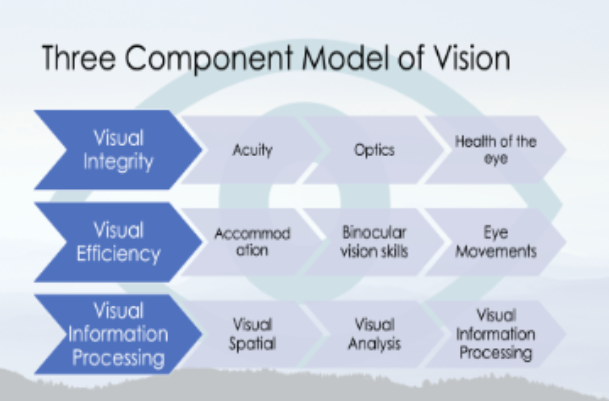
SEEING IS MORE THAN 20/20: THE THREE-COMPONENT MODEL OF VISION
Most people think good vision simply means passing an eye chart test. If you can read the small letters at the bottom, your eyes must be fine. But vision is…

Most people think good vision simply means passing an eye chart test. If you can read the small letters at the bottom, your eyes must be fine. But vision is…

INTRODUCTION: The human eye is an extraordinary organ that adapts to both bright and low-light conditions, ensuring clear vision across different environments. Two key structures, the cornea and the lens,…

Vision is one of the most complex and fascinating senses in the human body. However, not everyone experiences perfect clarity when they open their eyes. Many people struggle with blurry…

Introduction Vision, as a multifaceted processing system, extends beyond mere visual acuity. A structured approach to evaluating and addressing visual deficits is essential for effective treatment. Such a systematic methodology…

Understanding Convergence Excess: A Comprehensive Guide for Optometrists Convergence excess (CE) is one of the most common non-strabismic binocular vision disorders encountered in clinical practice. It is characterized by esophoria…

Tuberculosis (TB) is a bacterial infection caused by Mycobacterium tuberculosis. It primarily affects the lungs, it can spread to other organs, including the eyes. Ocular tuberculosis is an underdiagnosed but…
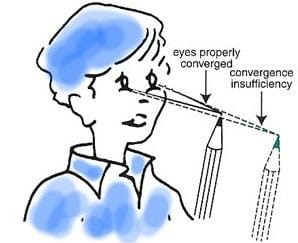
Introduction Convergence insufficiency (CI) is one of the most prevalent non-strabismic binocular vision disorders. It affects the ability to maintain proper eye alignment for near tasks, such as reading or…
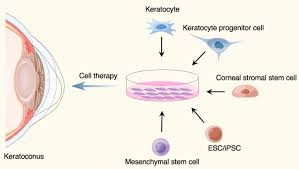
Cornea The human cornea, a transparent and delicate tissue, plays a crucial role in our ability to see the world around us. As the outermost layer of the eye, it…

Introduction Convergence insufficiency (CI) is a common binocular vision disorder that can significantly impact reading and other near-vision activities. Often undiagnosed in routine eye exams, this condition manifests as difficulty…

Aphakia is defined as the absence of a natural crystalline lens from the eye, due to any cause. Causes include congenital aphakia, surgical aphakia, traumatic extrusion of the lens, and…