Vision is one of the most vital senses that shapes how we perceive and interact with the
world. Yet, millions of people globally suffer from preventable or treatable vision impairment
due to delayed diagnosis and lack of awareness. Regular eye examinations play a crucial role
in maintaining ocular health and preventing irreversible vision loss. Despite advancements in
medical science, many eye conditions progress silently without noticeable symptoms until
significant damage has already occurred. This makes routine eye check-ups not just
important, but essential.
Understanding Vision Loss
Vision loss can occur due to a variety of reasons, including refractive errors, age-related
diseases, infections, systemic conditions, and genetic factors. While some forms of vision
impairment can be corrected with glasses or contact lenses, others—such as glaucoma or
macular degeneration—can lead to permanent blindness if not detected early.
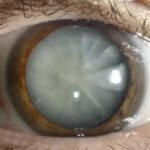
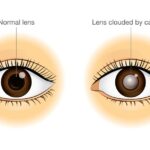
Conditions like cataracts, diabetic retinopathy, and glaucoma are among the leading causes of
blindness worldwide. What makes many of these conditions particularly dangerous is their
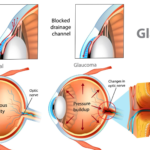
asymptomatic nature in early stages. For example, glaucoma is often referred to as the “silent
thief of sight” because it gradually damages the optic nerve without causing pain or early
warning signs.
Importance of Regular Eye Examinations
Regular eye examinations are comprehensive assessments of eye health and visual function.
They go beyond simple vision tests and include evaluation of internal and external eye
structures, intraocular pressure, retinal health, and optic nerve condition.
Early Detection of Eye Diseases
One of the primary benefits of routine eye exams is early detection. Many eye diseases
develop slowly and without symptoms. A comprehensive eye exam can identify early signs
of conditions such as:
Glaucoma
Cataracts
Diabetic retinopathy
Age-related macular degeneration
Early detection allows for timely intervention, which can significantly slow or even halt
disease progression. For instance, detecting glaucoma early enables treatment that can
preserve vision and prevent blindness.
Prevention of Vision Loss
Preventive care is always better than treatment. Regular eye check-ups help in identifying
risk factors before they develop into serious problems. Eye care professionals can
recommend lifestyle modifications, protective measures, or early treatments to reduce the risk
of vision loss.
For example, individuals with diabetes are at high risk of developing diabetic retinopathy.
Regular retinal examinations can detect changes early, allowing for timely management and
prevention of severe complications.
Monitoring Existing Conditions
For individuals already diagnosed with eye conditions, regular examinations are crucial for
monitoring disease progression. Conditions such as glaucoma and macular degeneration
require continuous observation to ensure that treatment is effective.
Eye exams help doctors adjust medications, recommend surgical interventions if needed, and
track changes over time. Without regular follow-up, even treated conditions can worsen
unnoticed.
Detection of Systemic Diseases
Eye examinations can also reveal signs of systemic health problems. The eyes are unique in
that they allow direct visualization of blood vessels and nerves. During an eye exam,
optometrists and ophthalmologists can detect early signs of diseases such as:
Diabetes
Hypertension
High cholesterol
Autoimmune disorders
For instance, changes in retinal blood vessels can indicate high blood pressure, while
bleeding or swelling may suggest diabetes. In many cases, eye exams serve as the first step in
diagnosing these systemic conditions.
Components of a Comprehensive Eye Examination
A regular eye exam involves multiple tests designed to assess different aspects of eye health:
Visual Acuity Test
This test measures how clearly a person can see at various distances. It helps in identifying
refractive errors like myopia, hyperopia, and astigmatism.
Refraction Test
This determines the correct prescription for glasses or contact lenses by evaluating how light
waves are focused inside the eye.
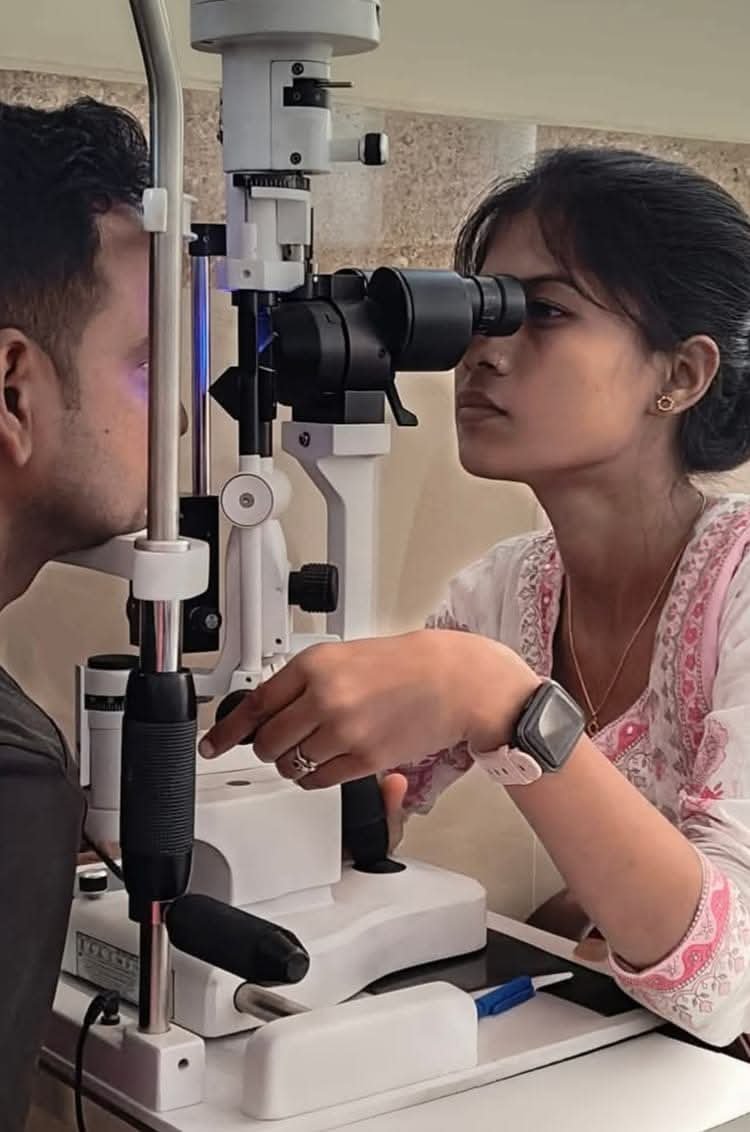
Slit-Lamp Examination
A microscope with a bright light is used to examine the front structures of the eye, including
the cornea, iris, and lens.
Tonometry
This test measures intraocular pressure and is essential for detecting glaucoma.
Fundus Examination
Also known as retinal examination, this allows visualization of the retina, optic nerve, and
blood vessels, helping detect diseases like diabetic retinopathy and macular degeneration.
Visual Field Test
This assesses peripheral vision and is important for diagnosing neurological conditions and glaucoma.
Frequency of Eye Examinations
The frequency of eye exams depends on age, health status, and risk factors:
Children (0–18 years): Regular screenings during school years to detect vision
problems that may affect learning.
Adults (18–40 years): Every 2 years if no risk factors are present.
Adults (40–60 years): Every 1–2 years due to increased risk of age-related
conditions.
Seniors (60+ years): Annually, as the risk of eye diseases increases significantly.
Individuals with diabetes, high blood pressure, or a family history of eye disease should
undergo more frequent examinations.
Role of Eye Examinations in Different Life Stages In Children
Vision plays a critical role in a child’s development and academic performance. Undetected
vision problems can lead to difficulties in reading, writing, and concentration. Conditions
such as amblyopia (lazy eye) and strabismus (crossed eyes) can be effectively treated if
identified early.
Regular eye exams ensure that children have optimal vision for learning and development.
In Working Adults
In today’s digital age, prolonged screen time has become a major concern. Many adults
experience digital eye strain, dry eyes, and headaches due to excessive use of computers and smartphones.
Routine eye check-ups help in managing these issues and provide guidance on ergonomic
practices, screen usage, and protective eyewear.
In Older Adults
Aging increases the risk of several eye conditions, including cataracts, glaucoma, and
macular degeneration. Regular examinations help in early detection and timely treatment,
preserving independence and quality of life.
Technological Advancements in Eye Care
Modern eye care has benefited greatly from technological advancements. Tools such as
Optical Coherence Tomography (OCT), digital retinal imaging, and automated visual field
analyzers allow for more precise diagnosis and monitoring.
These technologies enable early detection of subtle changes in eye structures, improving the
chances of successful treatment. Tele-optometry and AI-based screening tools are also
emerging, making eye care more accessible, especially in rural and underserved areas.
Barriers to Regular Eye Examinations
Despite the importance of routine eye care, several barriers prevent people from seeking regular examinations:
Lack of awareness about eye health
Financial constraints
Limited access to eye care services
Misconception that eye exams are only needed when vision problems occur
Addressing these barriers requires public health initiatives, awareness campaigns, and
improved accessibility to eye care services.
Role of Awareness and Education
Educating the public about the importance of eye health is essential in preventing vision loss.
Awareness campaigns, school screening programs, and community outreach initiatives can
encourage individuals to prioritize regular eye examinations.
Healthcare professionals, including optometrists and ophthalmologists, play a key role in
spreading awareness and guiding patients on preventive care.
Lifestyle and Preventive Measures
In addition to regular eye exams, adopting healthy lifestyle habits can significantly reduce the
risk of vision problems:
Maintain a balanced diet rich in vitamins A, C, and E
Protect eyes from UV radiation using sunglasses
Take regular breaks during screen use (20-20-20 rule)
Avoid smoking
Manage chronic conditions like diabetes and hypertension
These measures, combined with routine eye examinations, create a comprehensive approach
to eye health.
Conclusion
Regular eye examinations are a cornerstone of preventive healthcare. They not only help in
detecting and managing eye diseases but also play a crucial role in identifying systemic
health conditions. With many eye diseases progressing silently, routine check-ups are the only
reliable way to ensure early detection and timely intervention.
Promoting awareness about the importance of eye health and encouraging regular eye
examinations can significantly reduce the burden of vision loss. By prioritizing eye care,
individuals can protect their vision, enhance their quality of life, and maintain independence
throughout their lives.
Vision is invaluable, and preserving it begins with a simple step—scheduling regular eye
examinations.
References
1. World Health Organization (WHO). (2019). World Report on Vision.
2. American Academy of Ophthalmology (AAO). (2023). Eye Health Statistics and
Guidelines.
3. National Eye Institute (NEI). (2022). Facts About Vision Loss and Eye Diseases.
4. International Agency for the Prevention of Blindness (IAPB). (2021). Vision Atlas.
5. American Optometric Association (AOA). (2023). Comprehensive Eye Exams and
Vision Care Guidelines.
6. Bourne, R. R. A., et al. (2020). Causes of blindness and vision impairment. The
Lancet Global Health.
7. Flaxman, S. R., et al. (2017). Global causes of blindness and distance vision
impairment. The Lancet Global Health.