Eye makeup enhances facial aesthetics, highlights expression and plays an important role in
personal grooming. However, when hygiene is neglected, products used around the eyes can
become a hidden source of irritation and infection. Because the ocular surface is one of the
most sensitive and exposed tissues of the human body, even small lapses in cosmetic hygiene
may lead to significant eye health problems.
This blog highlights essential practices for maintaining eye makeup hygiene and ensuring long-
term eye safety.
Why Eye Makeup Hygiene Matters
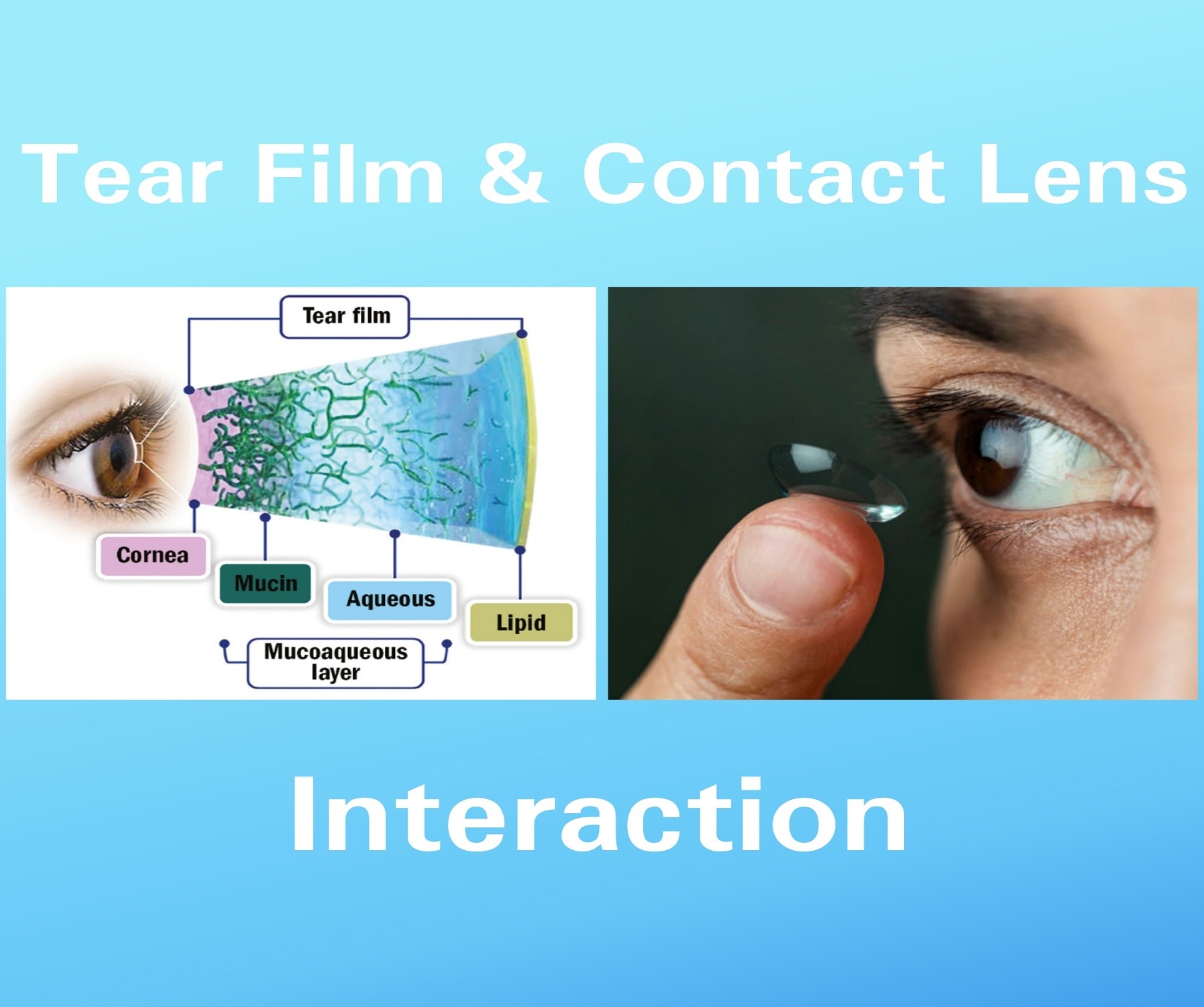
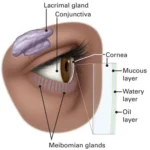
The eye has natural defense mechanisms such as blinking and tear film, but it remains highly
vulnerable to microbial contamination. Eye cosmetics—such as mascara, eyeliner and eye
shadow—are repeatedly exposed to air, skin contact and sometimes contaminated applicators.
Over time, these products can accumulate bacteria, fungi and debris. Poor hygiene practices
increase the risk of ocular surface disorders and infections, including:
Conjunctivitis (red eye)
Blepharitis (eyelid margin inflammation)
Styes (hordeolum)
Dry eye irritation
Allergic reactions
Maintaining proper hygiene is therefore not only cosmetic care but also a preventive eye health measure.
Common Risks Associated with Eye Makeup
1. Bacterial Contamination
Eye makeup containers and applicators can harbor microorganisms, especially when shared
between users or used beyond their recommended lifespan.
2. Expired Cosmetic Products
Mascara, in particular, is prone to drying and microbial growth. Using expired products
increases the risk of ocular infection and irritation.
3. Poor Removal Habits
Sleeping with eye makeup leads to clogged meibomian glands, lash follicle irritation and
buildup along the eyelid margin.
4. Improper Application Techniques
Applying eyeliner too close to the waterline or using unclean brushes introduces contaminants
directly to the ocular surface.
Safe Eye Makeup Hygiene Practices
Daily Hygiene Habits
Always wash hands thoroughly before applying eye makeup.
Avoid sharing any eye cosmetic products.
Clean makeup brushes and applicators at least once a week.
Store cosmetics in a clean, dry environment away from heat and moisture.
Safe Application Practices
Avoid applying eyeliner inside the lower waterline.
Do not apply makeup on red, inflamed, or infected eyes.
Prefer hypoallergenic and ophthalmologist-tested products, especially for sensitive eyes.
Proper Removal Routine
Remove eye makeup every night before sleeping.
Use gentle, oil-free or doctor recommended removers.
Clean the eyelid margin carefully without excessive rubbing.
Special Considerations for Contact Lens Users
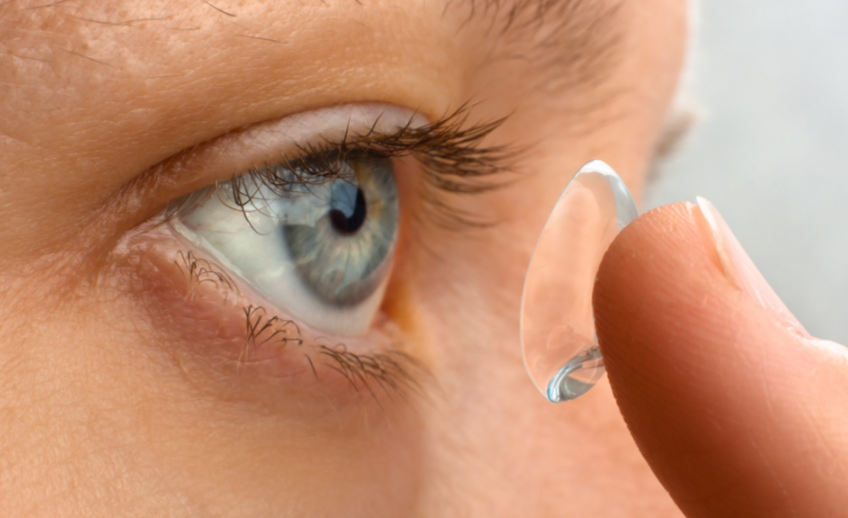
Individuals who wear contact lenses should take extra precautions
Insert lenses before applying makeup to avoid contamination.
Remove lenses before removing eye makeup.
Avoid oil-based or flaking products that may adhere to lenses.
Be cautious of particles entering the eye during application.
Warning Signs Not to Ignore
Seek professional eye care if any of the following symptoms occur:
Persistent redness or irritation
Eyelid swelling
Excessive tearing or discharge
Foreign body sensation
Pain or light sensitivity
Early intervention helps prevent complications and long-term ocular damage.
Optometry Perspective on Eye Safety
From an eye care standpoint, eyelid hygiene plays a crucial role in maintaining ocular surface
health. Regular cleansing of the lid margin helps prevent blepharitis and meibomian gland
dysfunction, both of which are commonly associated with cosmetic buildup.
For individuals who frequently use eye makeup, periodic eye examinations are recommended
to detect early signs of dryness, inflammation or allergic reactions.
Final Reflection
Eye makeup can safely enhance appearance when combined with proper hygiene practices.
However, neglecting basic precautions may compromise ocular health and lead to preventable
complications. Good eye makeup hygiene is not just a beauty routine—it is an essential part of
eye protection. Simple habits such as replacing products regularly, maintaining cleanliness and
removing makeup properly can significantly reduce the risk of eye disease.