Introduction –
Photokeratitis is a painful, acute, and transient ocular condition resulting from the exposure of
vulnerable eye structures to harmful ultraviolet (UV) radiation. Often likened to a "sunburn of
the eye," this condition occurs when the cornea—the transparent, outermost protective dome of
the eye—and the conjunctiva—the thin, vascular membrane covering the sclera (white of the
eye) and lining the inner eyelids—absorb excessive amounts of intense UV energy.
While the condition is usually temporary, the symptoms it provokes can range from mild,
irritating discomfort to debilitating, severe pain. Photokeratitis is also scientifically termed
ultraviolet (UV) keratitis, highlighting its primary underlying environmental and physical
trigger.
Types of photokeratitis
Depending on the specific environmental context, artificial trigger, or mechanism of exposure,
photokeratitis is clinically classified into distinct sub-types. Each variant shares a similar
pathological course but arises under different real-world conditions:
Common types of photokeratitis include:
Snow blindness-
Snow blindness occurs when UV rays from the sun reflect off snow or ice and damage your eyes. UV
keratitis is common in higher altitudes where the air offers less ultraviolet protection, such as high
mountainous regions and the North and South Poles.
Arc eye –
Arc eye results from the flash of UV light produced by welding equipment. Because of this, it’s also called
welder's flash or welder’s eye. Photokeratitis is the most commonly occurring eye damage caused by the
welding process.
Sunburned eyes
This type represents a general form of photokeratitis that stems from prolonged, unprotected
recreational or daily exposure to the sun. It can develop through two pathways: direct solar
exposure (staring toward or near the sun) or indirect exposure via solar glare reflecting off wide,
flat surfaces such as open water, concrete pavements, or sandy beaches. Left unchecked, chronic
or repetitive instances of sunburned eyes can act as a precursor to more complex, long-term
ocular degeneration.
Causes of photokeratitis:
The most common source of ultraviolet energy is the sun.UV rays are produced in three different types of
wavelengths:
– UV-A
– UV-B
– UV-C
UV-A and UV-B rays from the sun can cause damage to the eyes. While UV-C rays from the sun typically
do not penetrate the earth’s ozone layer, they are produced by artificial light sources, such as lasers or
lamps. UV-C rays from artificial sources can also harm the eyes.
The most common causes of photokeratitis include:
– Direct sunlight
– Reflection of sunlight off snow, ice, cement, sand or water
– Welding arcs
– Germicidal UV lamps
– Tanning beds
– Sun lamps
– Halogen lamps
– Mercury vapor lamps
– Lasers
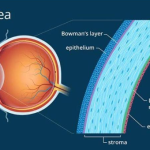
Ultraviolet radiation can have short-and long-term effects on the eyes and can affect vision. It damages
the epithelial layer of cells protecting the cornea, causing it to slough off. This exposes corneal nerves,
leading to pain and discomfort.
Extended exposure to UV rays can harm the underlying stromal and endothelial layers of the cornea.
Symptoms of photokeratitis:
Symptoms of ultraviolet photokeratitis may occur within 30 minutes to 12 hours of UV exposure and
typically affect both eyes. Photokeratitis symptoms commonly include:
– Eye pain
– Light sensitivity
– Watery eyes
– Eyelid redness
– Eye inflammation
– Bluury Vision
– Gritty or foreign body sensation
– Eyelid spasms
– Temporary vision loss
UV keratitis symptoms may last between six and 24 hours after exposure and generally resolve within two
days. The length of exposure to ultraviolet rays can affect the severity of symptoms.
Risk factors :
Several factors may heighten the chance of eye damage from ultraviolet rays. The lack of proper eye
protection in the presence of UV rays is the primary risk factor for photokeratitis. Sun reflection off snow
and welder’s flash are among the most commonly reported.
Factors that increase the risk of photokeratitis involve:
– Unprotected exposure to ultraviolet light
– Sunlight reflection off snow, ice, sand, cement or water
– Arc welding equipment
– Sun exposure during recreational activities
– Higher altitudes
– Artificial sources of UV light (tanning beds, sun lamps, laboratory or germicidal ultraviolet lights).
Complications of UV exposure:
Damage to the cornea and conjunctiva from photokeratitis is often temporary as the condition usually
resolves on its own within a couple of days. Though rare, vision loss and vision changes may be
temporary effects of UV keratitis.
Long-term exposure to ultraviolet radiation accumulates over time. It can increase the risk of serious eye
conditions, including macular degeneration and cataract. Extended UV exposure may also lead to
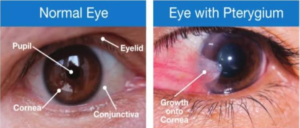
growths on the cornea and conjunctiva known as pterygiam (surfer's eye) and pinguecula.
Looking directly at the sun for a period of time can burn the retina, the light-sensitive membrane in the
back of the eye. Staring at the sun can cause significant and longer-lasting damage to the eye.
Diagnosing :
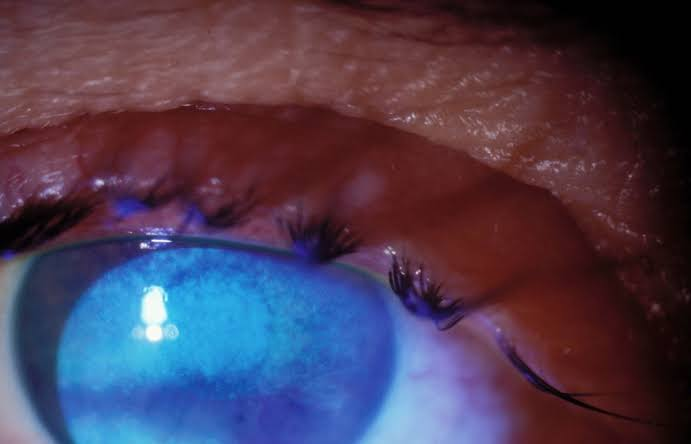
Photokeratitis may be diagnosed through a physical eye exam. An eye specialist will evaluate the eyes
and inquire about recent activities or factors that may have contributed to the condition. Eye drops
containing a special orange dye, known as fluorescein, may be placed in the eye. The dye stains irregular
areas on the surface of the cornea, revealing damage caused by ultraviolet rays.
Treatment :
Treatment for photokeratitis usually centers on managing and relieving symptoms. Topical
ointments,artificial tears or oral pain relief medication as recommended by an opthalmologist may be
used to ease eye discomfort as the cornea heals.
Other treatment-related recommendations for photokeratitis may include doing the following:
-Remove contact lenses promptly.
-Avoid sun or UV exposure.
-Remain in a darkened room.
-Avoid rubbing the eyes.
-Apply a cold washcloth to closed eyes.
Preventing photokeratitis :
Wearing proper eye protection and safeguarding the eyes against the sun and UV radiation is key to
preventing photokeratitis. The appropriate eye protection will depend on the activity or exposure risk at
hand.
Sunglasses and snow goggles that block or absorb at least 99% of ultraviolet rays should be worn when
the eyes are exposed to sun or snow. Eyewear designed to wrap around the sides of the head or those
with side shields are ideal when spending time outdoors. Wearing a hat with a visor or wide brim can help
further protect the eyes from UV radiation.
Wearing a welder’s helmet helps protect the eyes from UV radiation produced during arc welding. Full-
face shield helmets with adjustable-shade levels are needed for sufficient protection.
UV-absorbing contact lenses are available for individuals who spend considerable time outdoors or in
environments affected by ultraviolet light.