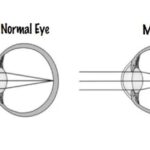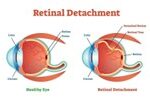
Myopia, also known as nearsightedness, is becoming increasingly common among children worldwide. Evidence-based myopia control strategies can help slow the progression of myopia and reduce the risk of future eye complications such as retinal detachment, glaucoma, and myopic maculopathy.
Figure 1: Comparison of normal eye growth and progressive myopia.
1. Increased Outdoor Time
Research shows that children who spend more time outdoors have a lower risk of developing myopia. Exposure to natural light may help regulate eye growth. Experts recommend at least 2 hours of outdoor activity daily for school-aged children. Figure 2: Outdoor activities may reduce the risk of myopia progression.
2. Low-Dose Atropine Eye Drops
Low-dose atropine eye drops (0.01%–0.05%) are commonly used to slow myopia progression in children. Clinical studies have shown that these drops can effectively reduce the rate of eye elongation with minimal side effects.
3. Orthokeratology (Ortho-K) Lenses
Orthokeratology lenses are specially designed rigid contact lenses worn overnight to temporarily reshape the cornea. Studies suggest they can slow axial elongation in children with progressing myopia.
4. Multifocal Spectacles and Contact Lenses
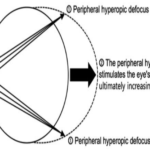
Specialized multifocal lenses are designed to reduce peripheral hyperopic defocus, which may help control myopia progression. These lenses are increasingly recommended by eye care professionals.
5. Healthy Visual Habits
Encouraging proper reading distance, limiting prolonged screen time, and taking regular breaks during near work can support eye health. The 20-20-20 rule is helpful: every 20 minutes, look at something 20 feet away for 20 seconds.
Conclusion
Myopia control requires a combination of regular eye examinations, healthy visual habits, outdoor activities, and evidence-based treatments. Early intervention by an optometrist or ophthalmologist can help protect a child’s long-term vision.