
Contrast Sensitivity
Contrast sensitivity measures the lowest level of contrast at which a person can detect a target. Unlike standard visual acuity tests that use high-contrast letters, contrast sensitivity tests evaluate vision across varying levels of contrast.
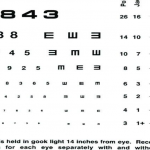
For example, a patient may read the 6/9 line on a Snellen chart but still experience difficulties recognizing faces or reading low-contrast text. This discrepancy occurs because everyday visual tasks rarely involve high-contrast conditions. Therefore, contrast sensitivity testing provides a more realistic assessment of functional vision.
Several methods are available for measuring contrast sensitivity, including:
• Pelli-Robson Contrast Sensitivity Chart
• Mars Contrast Sensitivity Test
• CSV-1000 Contrast Test
• Functional Acuity Contrast Test (FACT)
These tests help determine how well patients can detect objects under different contrast conditions.
Importance in Low Vision Assessment
1. Detection of Functional Visual Deficits
Many ocular diseases affect contrast sensitivity before visual acuity declines significantly. Patients may complain of poor vision even when standard acuity measurements appear normal.
Contrast sensitivity testing helps identify these hidden visual deficits and provides a more comprehensive understanding of visual function.
Conditions commonly associated with reduced contrast sensitivity include:
Age-related macular degeneration (AMD)
Diabetic retinopathy
Glaucoma
Cataract
Retinitis pigmentosa
Optic nerve disorders
Multiple sclerosis
Early detection of contrast sensitivity loss allows clinicians to initiate timely interventions and rehabilitation strategies.
2. Better Evaluation of Real-World Vision
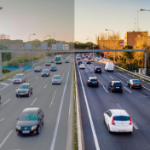
Daily activities depend heavily on contrast perception. Low vision patients frequently encounter environments where contrast is reduced, such as:
Foggy weather
Dim illumination
Low-contrast printed materials
Uneven pavements
Poorly lit staircases
A patient with reduced contrast sensitivity may experience difficulties in:
Reading newspapers
Recognizing facial expressions
Identifying obstacles
Walking safely outdoors
Performing household tasks
Therefore, contrast sensitivity testing provides a better prediction of functional vision than visual acuity alone.
3. Guiding Low Vision Rehabilitation
One of the major goals of low vision care is to maximize remaining visual function. Contrast sensitivity assessment helps clinicians select appropriate rehabilitation strategies tailored to individual patient needs.
Based on test results, practitioners may recommend:
Enhanced task lighting
High-contrast reading materials
Electronic magnification devices
Contrast-enhancing filters
Closed-circuit television (CCTV) systems
Large-print materials
These interventions can significantly improve a patient’s ability to perform daily activities independently.
4. Selection of Appropriate Low Vision Devices
Contrast sensitivity measurements assist in determining which optical and non-optical aids will provide the greatest benefit.
For example:
Patients with severely reduced contrast sensitivity may require electronic magnifiers that enhance contrast digitally.
Yellow or amber filters may improve contrast perception in certain retinal conditions.
Reverse polarity displays (white text on a black background) may improve reading performance.
Without evaluating contrast sensitivity, clinicians may prescribe devices that fail to address the patient’s primary visual limitation.
5. Monitoring Disease Progression
Contrast sensitivity can be more sensitive than visual acuity in detecting subtle changes in visual function.
In diseases such as glaucoma and diabetic retinopathy, contrast sensitivity may decline before noticeable changes occur in visual acuity. Regular testing can therefore help monitor disease progression and evaluate treatment effectiveness.
This information is valuable for both clinicians and patients in planning long-term visual management.
6. Fall Risk Assessment and Mobility Training
Reduced contrast sensitivity is strongly associated with mobility difficulties and an increased risk of falls, especially among elderly patients.
Patients with poor contrast sensitivity often have trouble detecting:
Curbs
Steps
Changes in floor surfaces
Obstacles in low-light conditions
Assessing contrast sensitivity helps identify individuals at higher risk of falls and allows clinicians to recommend mobility training, environmental modifications, and safety measures.