Understanding the Risks
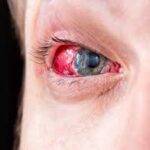
Fireworks pose a severe threat to vision. Explosions, flying debris, and intense heat can cause chemical burns, corneal abrasions, retinal detachment, and globe rupture. Astonishingly, nearly half of all firework-related eye injuries affect innocent bystanders. Permanent vision loss is a devastating but entirely preventable reality. Up to 19% of all firework-related injuries affect the eyes, and approximately 15% to 20% of these incidents lead to permanent vision loss or blindness.
Understanding the specific hazards associated with fireworks can help prevent life-altering accidents.
The Hidden Danger of “Safe”
Fireworks Many people mistakenly believe consumer-grade fireworks are harmless, but even small items like sparklers are major contributors to eye injuries.
Sparklers: These are the most common cause of injuries in young children. They burn at extremely high temperatures of more than 2000°F (1093°C), which is hot enough to melt certain metals and cause severe thermal burns. Sparklers were responsible for 700 fireworks injuries in the latest report, and a sparkler mishap caused one of the fireworks deaths reported in 2017. Children are often allowed to play with sparklers because these fireworks are considered relatively harmless. But that couldn’t be farther from the truth.
Firecrackers and Bottle Rockets: These often throw unpredictable shrapnel or veer off course, striking eyes with high-velocity blunt force.
Types of Eye Injuries and Vision Risks
The combination of intense heat, chemicals, and explosive force can severely damage the eyes:
Burns: Thermal and chemical burns from explosive residue destroy delicate eye tissue, potentially causing permanent scarring or exposure keratopathy (damage from inability to close the eye properly).
Corneal Abrasions: Airborne debris easily scratches the surface of the eye, causing severe pain and increasing the risk of infection.
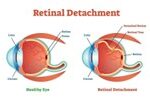
Blunt Force Trauma: The concussive force of an exploding shell can rupture the eyeball (globe rupture) or cause the retina to separate from the back of the eye (retinal detachment), both of which are leading causes of blindness if left untreated.
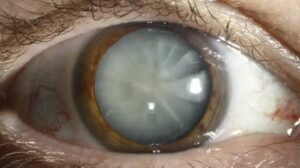
Secondary Complications: Traumatic injuries from fireworks can also trigger glaucoma (elevated intraocular pressure) and cataracts.
What to Do in an Emergency
If you or someone else suffers a fireworks eye injury, immediate and correct action can mean the difference between temporary damage and permanent blindness:
Do NOT rub or apply pressure to the eye. This can worsen internal bleeding or cause further damage.
Do NOT attempt to rinse the eye or remove stuck objects. Rinsing can cause chemical reactions or increase trauma.
Do NOT take blood-thinning pain relievers. Avoid medications like aspirin or ibuprofen unless directed by a doctor.
Do NOT apply ointments or home remedies. These are rarely sterile and can interfere with medical evaluations.
Seek Emergency Medical Help Immediately. Go to the nearest emergency room or eye hospital without delay.
How to Protect Yourself
The safest way to avoid these risks is to skip at-home consumer fireworks and attend professional public displays. If you are in an area where fireworks are legal, experts recommend:
Viewing displays from at least 500 feet away.
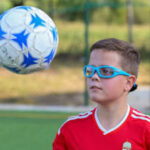
Having all handlers and bystanders wear certified, ANSI-approved protective eyewear (regular sunglasses or glasses are not enough).
Fireworks safety at home
If you decide to use consumer fireworks in states where they are legal, follow these safety tips from the Consumer Product Safety Commission:
Do not allow young children to play with fireworks. Sparklers, a firework often considered “safe” for children, burn at extremely high temperatures (2,000 degrees Fahrenheit) and should be NOT be handled by young children. Children may not understand the danger involved with fireworks and may not act appropriately while using the devices or in case of emergency.
All users and bystanders should wear eye protection that meets the criteria set by the American National Standards Institute (ANSI).
Close adult supervision is required at all times when older children or teens use fireworks.
Do not allow any running or horseplay.
Set off fireworks outdoors in a clear area, away from houses, dry leaves, or grass and other flammable materials.
Keep a bucket of water nearby for emergencies and for pouring on fireworks that fail to ignite or explode.
Do not try to relight or handle malfunctioning or “dud” fireworks. Soak them with water and throw them away.
Make sure all other people are at least 500 feet away before lighting fireworks.
Never light fireworks in a container, especially a glass or metal container.
Keep unused fireworks away from firing areas.
Store fireworks in a cool, dry place.
Check instructions for special storage directions.
Observe local laws.
Never hover any body part over a firework while lighting.
Do not experiment with homemade fireworks.