Senile ocular changes are the normal structural and functional changes that occur in the eyes with increasing age. These changes usually begin gradually in middle age and
become more noticeable in older adults. Aging affects almost every part of the eye,
including the eyelids, conjunctiva, cornea, lens, iris, vitreous, retina, optic nerve, andlacrimal system. Some changes are normal physiological changes, while others may
increase the risk of age-related eye diseases.
1. Changes in the Eyelids
With age, the skin of the eyelids becomes thin, loose and less elastic due to changes in
collagen and connective tissue.
Common changes include:
Dermatochalasis: Excess and loose eyelid skin.
Entropion: Inward turning of the eyelid margin.
Ectropion: Outward turning of the eyelid margin.
Reduced eyelid muscle tone.
Ptosis: Drooping of the upper eyelid.
Loss or whitening of eyelashes may occur.
These changes can cause irritation, watering and difficulty keeping the eyes properly
protected.
2.Conjunctival Changes; The conjunctiva becomes less elastic and more fragile with
age. It may appear yellowish because of degenerative changes.
Other changes include:
Pinguecula may become more prominent.
Reduced conjunctival secretions.
Increased tendency toward dryness and irritation.
Small conjunctival vessels may become more visible.
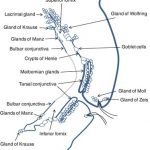
3. Dry Eye:– Aging can reduce the quantity and quality of the tear film. The lacrimal
glands may produce fewer tears, while changes in the meibomian glands can reduce
the lipid component of the tear film.
As a result, older adults may experience:
Dryness
Burning or stinging
Foreign-body sensation
Fluctuating vision
Increased sensitivity to wind and light
Therefore, dry eye becomes more common with advancing age.
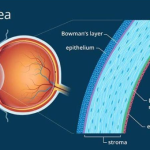
4.Corneal Changes:- The cornea undergoes several age-related structural changes.
Important changes include:
Reduction in corneal sensitivity.
Slower epithelial healing.
Slight decrease in corneal transparency.
Changes in corneal thickness and endothelial cell number.
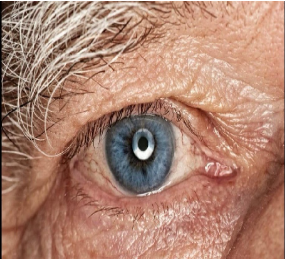
Development of arcus senilis, a grey-white ring around the peripheral cornea. Arcus
senilis is common in older adults and is usually a normal age-related finding, although in younger individuals it may warrant evaluation of lipid levels.
5.Changes in the Anterior Chamber and Iris:- With aging, the anterior chamber
becomes somewhat shallower, particularly because of changes in the lens.
The iris also undergoes changes:
Iris becomes less elastic.
Pupil size decreases.
The pupil becomes slower to respond to changes in light.
There may be senile miosis, meaning a smaller pupil in older adults.Because of the
smaller pupil, less light reaches the retina, which contributes to difficulty seeing in dim
conditions.
6.Lens Changes:-The lens shows some of the most important physiological changes
with age.
Presbyopia
The lens gradually becomes less elastic, and the ability of the eye to change its
focusing power decreases. This results in presbyopia, causing difficulty focusing on
near objects.
Common symptoms include:
Difficulty reading small print
Holding reading material farther away
Eye strain during near work
Lens yellowing -The lens gradually becomes yellowish or brownish with age. This can
affect colour perception, especially discrimination of blue and violet shades.
Increased lens density -The lens becomes thicker, harder and less transparent with age.
Continued changes can contribute to the development of age-related cataract, although
cataract is considered a disease rather than simply a normal physiological change.
7.Vitreous Changes:-The vitreous body undergoes gradual liquefaction with age.
Important changes include:
Vitreous syneresis: Liquefaction and structural degeneration of the vitreous.
Formation of vitreous condensations.
Increased occurrence of floaters.
Separation of the vitreous from the retina may occur, producing posterior vitreous
detachment (PVD).
Sudden onset of many floaters or flashes of light should be evaluated because retinal
tears can sometimes accompany PVD.
8.Retinal Changes:-The retina also undergoes physiological aging.
Changes may include:
Mild reduction in retinal pigment epithelial function.
Changes in retinal blood vessels.
Reduced retinal metabolic activity.
Gradual loss of some photoreceptor and neural cells.
Reduced adaptation to darkness . Older individuals may therefore require more light for
reading and may take longer to adapt when moving between bright and dark
environments.Age-related changes in the macula can also increase susceptibility to
age-related macular degeneration (AMD), which is a pathological condition rather than a
normal consequence of aging.
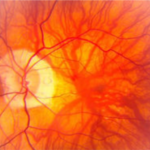
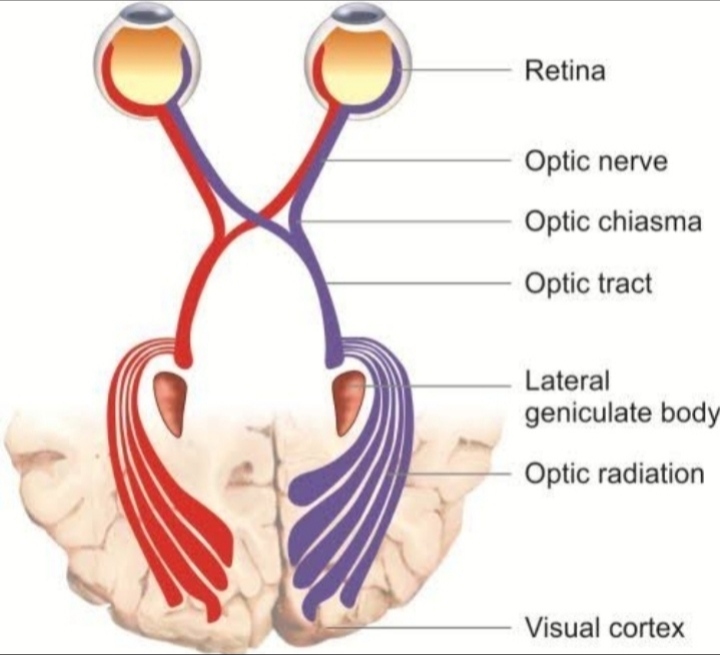
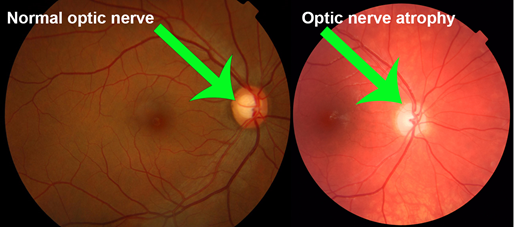
9. Optic nerve changes:-With increasing age, there may be a gradual reduction in the
number of optic nerve fibres. Mild changes in optic disc appearance may also
occur.However, significant optic nerve damage or progressive visual-field loss is not
considered a normal part of aging and may indicate diseases such as glaucoma.
10.Changes in Visual Function:-Aging produces several physiological changes in visual performance:
Reduced visual acuity-There may be a gradual reduction in the ability to distinguish fine details, particularly under poor lighting.
Reduced contrast sensitivity-Older adults may have difficulty distinguishing objects with low contrast, even when visual acuity is relatively good.
Reduced dark adaptation- The eye takes longer to adjust when moving from a bright
environment to darkness.
Increased glare sensitivity -Older individuals may experience more difficulty with glare
from headlights, sunlight and bright indoor lighting.
Reduced colour discrimination -Changes in the lens and retina can make some colour
differences harder to distinguish.
Slower pupil response-The pupil reacts more slowly to changes in illumination.
11.Physiological Changes in Accommodation:- Accommodation is the ability of the eye
to increase its refractive power for near vision. With age, the lens becomes harder and
less elastic, and the accommodative ability progressively decreases. This produces
presbyopia, which normally becomes clinically significant around middle age. It is one of
the most common age-related changes in the visual system.
12.Changes in Ocular Blood-FlowAge:-related changes in blood vessels can reduce
vascular elasticity and alter ocular circulation. These changes may reduce the eye’s
ability to respond to metabolic demands.However, significant vascular abnormalities
may indicate systemic conditions such as hypertension or diabetes and should not be
considered normal aging.