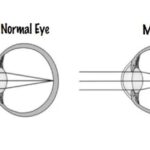
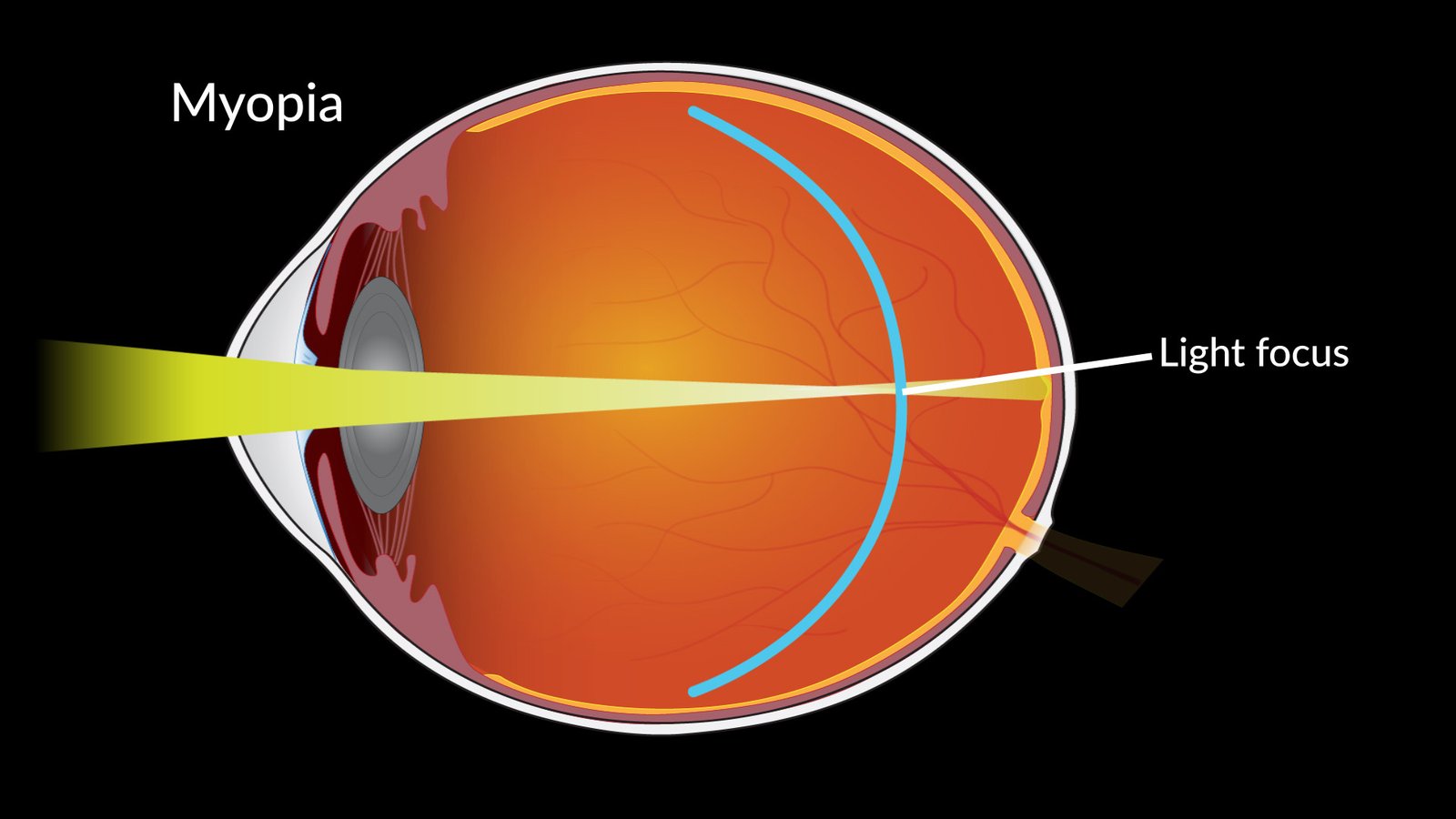
Myopia — or nearsightedness — is one of the fastest-growing public health concerns in eye
care. Especially in children and adolescents, myopia progression can lead to high myopia and
an increased risk of sight-threatening complications later in life, such as retinal detachment,
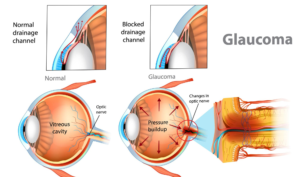
glaucoma, and myopic maculopathy. In response to this growing burden, eye care
professionals have explored various strategies to slow myopia progression. Among these, low
dose atropine therapy has emerged as one of the most promising and widely studied
interventions.
This blog explores what low dose atropine therapy is, how it works, its long-term safety and
efficacy, how it compares to other myopia control methods, and what clinicians and patients
should consider when using this approach.
What Is Atropine and How Is It Used in Myopia Control?
Atropine is an antimuscarinic agent traditionally used in eye care to dilate pupils and relax
the focusing mechanism (accommodation) of the eye. When used at higher concentrations
(e.g., 1%), atropine effectively slows myopia progression, but its side effects — including
light sensitivity and blurred near vision — significantly limited its acceptance for long-term
use.
In the past two decades, researchers have shifted focus toward low dose atropine, typically
concentrations ranging from 0.01% to 0.05%, aiming to retain myopia-slowing effects while
minimizing side effects.
Unlike traditional uses of higher concentrations, low dose atropine does not significantly
affect pupil size or accommodation, making it more tolerable for everyday life, especially in
children.
Mechanism of Action: How Does Low Dose Atropine Slow
Myopia Progression?
Although the complete mechanism is not fully understood, atropine appears to influence the
biochemical pathways regulating eye growth. Myopia progression results from excessive
axial elongation — meaning the eye becomes too long relative to its optical power. By
interfering with specific neurotransmitters — particularly muscarinic receptors in the retina
and sclera — atropine may slow this eye growth.
Importantly, the effect of atropine on accommodation and pupil size at low doses is minimal,
suggesting its myopia-modulating effects are mostly non-accommodative, possibly linked to
direct retinal and scleral signaling.
Evidence for Long-Term Efficacy
A wealth of clinical research over the past 15 years has consistently shown that low dose
atropine:
1. Slows Myopia Progression
Children treated with low dose atropine experience significantly reduced progression of
refractive error compared with untreated controls. For example:
Atropine 0.01% demonstrates approximately 50–60% reduction in annual myopic
progression compared to placebo in many studies.
Higher low doses (such as 0.025% and 0.05%) may offer slightly greater control in
some populations.
This effect is observed across diverse ethnicities and environmental settings, although subtle
differences exist, likely due to genetic and lifestyle influences.
2. Slows Axial Elongation
Slowing axial elongation is clinically important because increased axial length is a key risk
factor for future eye disease. Low dose atropine has been shown to curb axial elongation —
not merely mask refractive change — which suggests a true modification of the disease
process.
3. Sustained Benefits With Long-Term Use
One of the most frequently asked questions is whether atropine continues to work over years.
Longitudinal data from multi-year studies indicate that:
Treatment effects are maintained with continued use.
The rate of progression remains lower than in untreated peers even after multiple
years of therapy.
However, individual responses vary, and some children may still progress, albeit more slowly.
Safety and Side Effects: What the Evidence Shows
Concerns about safety have historically discouraged atropine use, especially at higher
concentrations. However, low dose atropine is exceptionally well tolerated, with a strong
safety record in studies extending up to 5 years.
Minimal Side Effects
In contrast to higher doses, low dose atropine rarely causes:
Photophobia (light sensitivity)
Blurred near vision
Significant pupil dilation
When side effects do occur, they are typically mild and transient. A minority of children may
experience slight pupil enlargement or mild reading discomfort, but these are usually
manageable and rarely result in discontinuation.
No Serious Adverse Events
To date, large clinical trials and real-world studies have not reported significant safety
concerns or ocular pathology directly attributable to long term low dose atropine use.
Systemic Safety
Given the small quantity of atropine delivered in low dose eye drops, systemic absorption is
negligible. There have been no reported systemic adverse effects, such as dry mouth,
flushing, or tachycardia, at therapeutic concentrations used for myopia control.
Comparisons With Other Myopia Control Strategies
Low dose atropine is not the only myopia control option, and understanding how it fits within
the broader landscape is important.
Orthokeratology (Ortho-K)
Ortho-K employs specialized rigid contact lenses worn overnight to temporarily reshape the
cornea. It can slow axial elongation effectively but requires strict compliance, proper lens
care, and carries a risk of contact-lens-related complications. Atropine is simpler and more
convenient for many families.
Multifocal Soft Contact Lenses
These lenses use optical designs (e.g., peripheral defocus) to slow progression. They are
effective but still require contact lens wear and maintenance. Atropine provides a non-contact
alternative.
Specialized Spectacle Lenses
Certain spectacle designs aim to manipulate peripheral retinal defocus. While beneficial, their
effect size is generally modest compared with low dose atropine and some contact lens
options.
Combined Therapy
Emerging evidence suggests that combined approaches — such as atropine plus optical
methods — may have additive effects, offering another potential pathway for high-risk
patients.
Guidelines for Clinical Use
When considering low dose atropine therapy, clinicians should:
Select Appropriate Candidates
Ideal candidates are typically school-aged children showing documented myopic progression
over time.
Choose the Right Dose
Current research supports 0.01% as a starting point for balancing efficacy and tolerability. For
faster progressors, higher low doses (0.025–0.05%) may be considered under close
supervision.
Monitor Regularly
Routine follow-ups every 3–6 months are recommended to assess:
Change in refractive error
Axial length
Visual function
Side effects
Plan for Long-Term Use
Most children benefit from continued therapy for at least 2–3 years during their most active
progression phase. Premature discontinuation may result in a rebound effect, although this
appears less pronounced at low doses than with higher concentrations.
Addressing Common Questions
Will Atropine Cure Myopia?
No. Atropine slows progression but does not “cure” pre-existing myopia.
Is Long-Term Use Safe?
Yes. Extensive research supports the safety of long-term low dose atropine with minimal side
effects.
Does Every Child Respond Equally?
Individual response varies. Some children show marked slowing; others respond modestly.
Monitoring and personalization of therapy are essential.
Conclusion: A Safe, Effective Tool in Myopia Management
Low dose atropine therapy represents a major advancement in myopia control — offering a
safe, tolerated, and effective option for slowing myopia progression in children. Its benefits
extend beyond refractive stabilization, contributing to reduced axial elongation and
potentially lowering lifetime risk of vision-threatening complications.
As with all medical treatments, success depends on careful candidate selection, personalized
dosing, regular monitoring, and open communication between clinicians, patients, and
families.
For eye care professionals, low dose atropine is now a cornerstone of modern myopia
management. For parents and patients, it offers a proactive and evidence-based way to protect
visual health as children grow.