Preventable blindness is a major global health
concern that continues to affect millions of people
despite the availability of effective treatments and
preventive strategies. It refers to vision loss that
could have been avoided through early detection,
timely intervention, and proper management. In the
field of optometry, understanding preventable
blindness is crucial, as optometrists play a frontline
role in identifying, managing, and educating patients
about eye health.
A. What is Preventable Blindness
Preventable blindness includes both preventable
and treatable causes of vision loss. Preventable
causes are those that can be avoided through public
health measures such as vaccination, improved
nutrition, and awareness. Treatable causes, on the
other hand, are conditions where vision can be
restored through medical or surgical intervention,
such as cataract surgery or corrective lenses.
Globally, a significant percentage of visual
impairment falls under this category, making it a key
focus area for healthcare systems and eye care
professionals.
B. Major Causes of Preventable Blindness
1. Uncorrected Refractive Errors
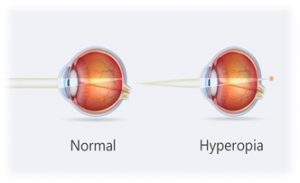
Uncorrected refractive errors, including myopia,
hypermetropia, and astigmatism, are the leading
cause of visual impairment worldwide. These
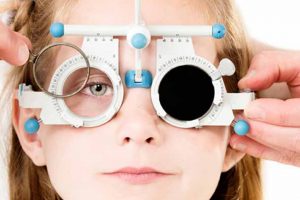
conditions can be easily diagnosed during routine
eye examinations and corrected using spectacles,
contact lenses, or refractive surgery. However, lack
of access to eye care services and awareness leads
to a large number of untreated cases.
2. Cataract
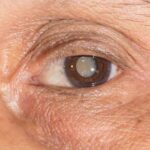
Cataract remains the leading cause of blindness
globally, particularly in low- and middle-income
countries. It Is characterized by clouding of the eye’s
natural lens, resulting in blurred vision and eventual
blindness if untreated. Cataract surgery is one of the
most effective and commonly performed procedures,
yet many individuals do not receive timely treatment
due to financial or geographical barriers.
3. Glaucoma
Glaucoma is a group of eye diseases that cause
progressive damage to the optic nerve, often
associated with increased intraocular pressure. It is
known as the “silent thief of sight” because it
progresses without noticeable symptoms until
significant vision loss has occurred. Early detection
through regular screening is essential to prevent
irreversible blindness.
4. Diabetic Retinopathy
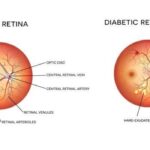
Diabetic retinopathy is a complication of diabetes
that affects the retinal blood vessels. As the
prevalence of diabetes increases globally, so does
the incidence of diabetic eye disease. Regular
retinal examinations, proper blood sugar control, and
timely treatment such as laser therapy can
significantly reduce the risk of vision loss.
5. Age-Related Macular Degeneration (AMD)
AMD primarily affects older adults and leads to the
deterioration of the macula, the central part of the
retina responsible for detailed vision. While it is more
common in developed countries, it is becoming
increasingly prevalent worldwide due to aging
populations.
6. Childhood Blindness and Nutritional
Deficiencies
Conditions such as vitamin A deficiency, congenital
cataracts, and infections contribute to childhood
blindness, especially in developing regions.
Preventive measures like nutritional
supplementation and early screening can help
reduce the burden.
C. Risk Factors for Preventable Blindness
Several factors increase the risk of developing
conditions that lead to preventable blindness:
• Age: Older individuals are more prone to cataract, glaucoma, and AMD.
• Chronic Diseases: Diabetes and hypertension significantly increase the risk of retinal diseases.
• Lifestyle Choices: Smoking, poor diet, lack of physical activity, and excessive screen time can negatively impact eye health.
• Lack of Awareness: Many people ignore early symptoms or delay seeking medical attention.
• Socioeconomic Barriers: Poverty, lack of education, and limited healthcare access contribute to untreated eye conditions.
• Geographical Factors: People living in rural or underserved areas often lack access to proper eye
care services.
D. Global Impact of Preventable Blindness
The burden of preventable blindness is enormous.
According to global health estimates, over one billion
people worldwide suffer from vision impairment that
could have been prevented or treated. The
consequences extend beyond individual health and
affect society as a whole.
• Reduced Quality of Life: Vision loss limits independence and daily functioning.
• Economic Impact: Blindness leads to loss of productivity, increased healthcare costs, and financial strain on families and communities.
• Educational Challenges: Children with uncorrected vision problems often struggle academically, affecting their future opportunities.
• Social and Psychological Effects: Individuals with vision impairment may experience social isolation,
depression, and reduced confidence.
• Global initiatives such as Vision 2020: The Right to Sight and efforts by organizations like the World Health Organization aim to eliminate avoidable blindness by improving access to eye care and raising awareness.
E. Role of Optometrists
Optometrists are essential in the fight against preventable blindness. Their responsibilities include:
• Performing comprehensive eye examinations
• Detecting early signs of ocular diseases
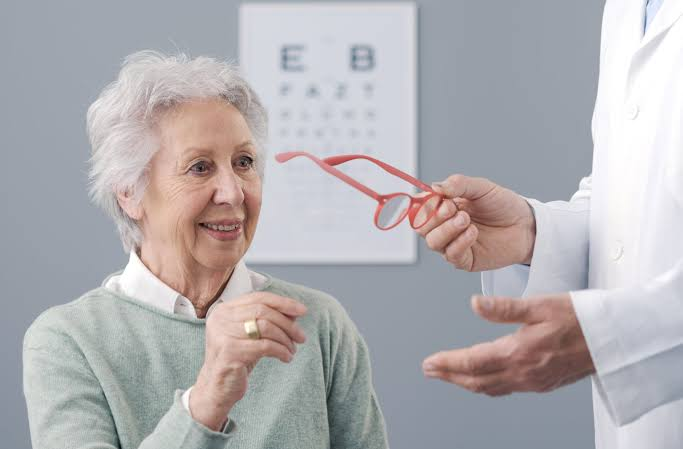
• Prescribing corrective lenses
• Educating patients about eye health and preventive care
• Referring patients for specialized medical or surgical treatment when necessary
• By working at the primary level of eye care, optometrists help reduce the burden of undiagnosed and untreated eye conditions.
F. Prevention Strategies
Preventable blindness can be significantly reducedthrough:
• Regular eye check-ups, especially for high-risk individuals
• Public awareness and education programs
• School vision screening initiatives
• Improved access to affordable eye care services
• Early diagnosis and timely treatment
Proper management of systemic diseases like diabetes
G. Conclusion
Preventable blindness is a critical yet largely manageable public health issue. With appropriate awareness, early intervention, and accessible healthcare services, a majority of vision loss cases can be avoided. As optometry professionals, there is a responsibility not only to treat patients but also to educate communities and promote preventive eye care.
In the end, preserving vision is not just about treating diseases—it is about improving lives, enhancing productivity, and ensuring a better future for individuals and society.