Eye health is an essential part of overall well-being, yet it is often overlooked. Women, in
particular, need to pay special attention to their eye health due to hormonal changes,
lifestyle factors, and longer life expectancy. Regular eye checkups are not only important for
maintaining clear vision but also for detecting serious health conditions at an early stage.
One of the most important benefits of regular eye checkups is early detection of eye
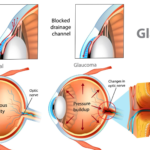
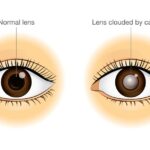
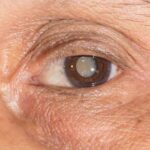
diseases. Conditions such as glaucoma, cataracts, and age-related macular degeneration
often develop slowly and without noticeable symptoms in the beginning. By the time vision
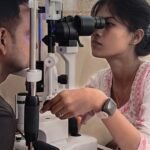
problems become obvious, the damage may already be significant. Routine eye
examinations help in identifying these issues early, allowing timely treatment and
prevention of further complications.
Women are more prone to certain eye problems compared to men. Hormonal fluctuations
during menstruation, pregnancy, and menopause can affect vision and eye comfort. Many
women experience dry eyes due to reduced tear production, leading to irritation, redness,
and blurred vision. During pregnancy, temporary vision changes may occur, making regular
eye monitoring even more important. Eye checkups ensure that such changes are properly
managed and do not lead to long-term issues.
Another key factor is the higher risk of age-related eye diseases in women. Since women
generally live longer than men, they are more likely to develop conditions such as cataracts
and macular degeneration. These conditions can significantly affect independence and
quality of life if not treated in time. Regular eye exams become increasingly important after
the age of 40, as they help in preserving vision and maintaining a better lifestyle.
Eye examinations can also reveal signs of other health problems. The eyes are often
referred to as the “windows to the body” because they can indicate underlying conditions
such as diabetes, high blood pressure, and even neurological disorders. Changes in the
retina or blood vessels can be early warning signs of these diseases. Therefore, routine eye
checkups contribute not only to eye health but also to overall health monitoring.
In today’s digital world, eye strain has become very common. Women often manage
multiple responsibilities, including work, household tasks, and screen usage, which
increases the risk of digital eye strain. Symptoms include headaches, blurred vision,
dryness, and difficulty focusing. Regular eye checkups help in assessing these issues and
provide guidance on preventive measures such as proper screen habits, lighting, and the
use of suitable eyewear.
Experts recommend that women between the ages of 18 and 40 should have an eye checkup
every one to two years. After the age of 40, annual eye examinations are advisable due to
increased risks of age-related conditions. Women with diabetes, a family history of eye
diseases, or existing vision problems should consult their eye doctor for more frequent
checkups.
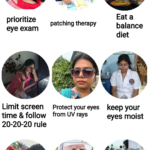
Maintaining healthy eyes also involves adopting simple lifestyle habits. Eating a balanced
diet rich in vitamins A, C, and E, along with omega-3 fatty acids, supports good vision.
Wearing sunglasses protects the eyes from harmful UV rays, while staying hydrated helps
prevent dryness. Avoiding smoking and following the 20-20-20 rule can also reduce eye
strain and promote long-term eye health.
In conclusion, regular eye checkups are a simple yet powerful step toward protecting vision
and overall health. Women should prioritize their eye health and make routine eye
examinations a part of their healthcare routine. Early detection, proper care, and healthy
habits can ensure clear vision and a better quality of life for years to come.