
Pregnancy and vision changes brings a wide range of hormonal, metabolic, and vascular changes that can affect many parts of the body—including the eyes. While most vision changes during pregnancy are temporary and resolve after delivery, some may indicate serious underlying conditions that require prompt medical attention. Below is a comprehensive overview of how pregnancy can influence vision.
1. Common (Physiological) Vision Changes these are usually mild, temporary, and not harmful,
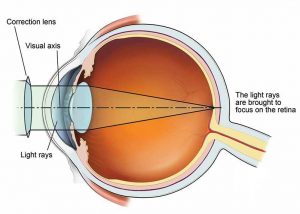
Refractive Changes
Hormonal changes—especially increased levels of estrogen and progesterone—lead to fluid
retention, including in the cornea. This causes:
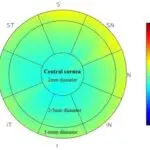
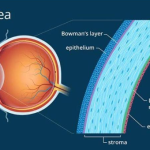
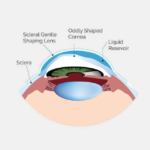
Increased corneal thickness
Altered curvature
As a result:
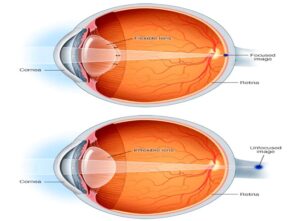
Mild blurred vision
Temporary myopic shift (increase in minus power)
In some cases, hyperopic changes may also occur. These refractive fluctuations are usually
unstable during pregnancy and stabilize postpartum.
Clinical Note:
It is generally advised not to prescribe new spectacles during pregnancy unless the change is
significant, as the refractive error often returns to pre-pregnancy levels after delivery.
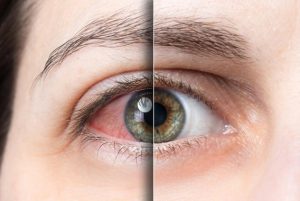
Dry Eyes
Pregnancy affects tear production and composition due to hormonal influences on lacrimal
glands and meibomian glands. This results in:
Dryness
Burning sensation
Foreign body sensation
Dry eye may also contribute to blurred vision and contact lens intolerance.
Management:
Artificial tears (preferably preservative-free)
Reduced contact lens wear
Corneal Changes
The cornea undergoes several changes:
Increased thickness (corneal edema)
Reduced sensitivity
This can lead to:
Discomfort
Reduced tolerance to contact lenses
Corneal edema is most prominent in the third trimester.
Accommodation Changes
Some pregnant women experience:
Difficulty focusing on near objects
Asthenopia (eye strain)
These are usually mild and temporary.
Changes in Intraocular Pressure (IOP)
There is typically a reduction in intraocular pressure during pregnancy due to:
Increased aqueous outflow
Reduced episcleral venous pressure
This may have a beneficial effect in patients with glaucoma.
2. Changes in Contact Lens Tolerance
Due to corneal edema and dryness:
Contact lenses may feel uncomfortable
Fitting may temporarily change
It is often advised to reduce wearing time or switch to glasses during pregnancy.
3. Pathological Vision Changes (Important)
Some visual symptoms may indicate serious pregnancy-related conditions:
a. Preeclampsia and Eclampsia
Preeclampsia is characterized by high blood pressure and proteinuria. Visual symptoms include:
Blurred vision
Photopsia (flashes of light)
Scotomas (blind spots)
Diplopia
Severe cases (eclampsia) may cause:
Cortical blindness (rare but reversible)
These require urgent medical attention.
b. Gestational Diabetes
Gestational Diabetes can affect the retina:
May worsen existing diabetic retinopathy
Can cause fluctuating vision
Regular eye examinations are essential for diabetic pregnant women.
c. Central Serous Chorioretinopathy (CSCR)
A condition where fluid accumulates under the retina, leading to:
Blurred or distorted central vision
Micropsia (objects appear smaller)
It is usually self-limiting but should be monitored.
d. Retinal Vascular Occlusions
Though rare, pregnancy increases the risk of blood clotting, which may lead to:
Retinal vein occlusion
Sudden vision loss
e. Pituitary Adenoma Enlargement
Pituitary Adenoma may enlarge during pregnancy due to hormonal changes, causing:
Peripheral vision loss (bitemporal hemianopia)
Headaches
4. Effects on Pre-existing Eye Conditions
Pregnancy can influence existing ocular diseases:
Diabetic Retinopathy
May worsen during pregnancy
Requires close monitoring
Glaucoma
Glaucoma symptoms may improve due to reduced intraocular pressure, but medication safety
must be considered.
Myopia
High myopes may have a slightly increased risk of retinal complications, though routine vaginal
delivery is generally safe.
5. Diagnostic and Treatment Considerations
Eye Examinations
Routine eye exams are safe
Dilating drops can be used cautiously
Medications
Many ophthalmic drugs are avoided due to potential fetal risks
Always consult both ophthalmologist and obstetrician
Refractive Surgery
Procedures like LASIK should be postponed:
Hormonal changes affect corneal stability
Better to wait until several months postpartum
6. When to Refer
Immediate referral is required if a pregnant woman experiences:
Sudden vision loss
Persistent blurred vision
Flashes or floaters
Visual field defects
Double vision
These may indicate serious systemic or ocular conditions.
7. Postpartum Resolution
Most pregnancy-related visual changes:
Resolve within weeks to months after delivery
Tear function and corneal thickness return to normal
Refractive errors stabilize
However, persistent symptoms should be evaluated.
Conclusion
Pregnancy can cause a variety of visual changes ranging from mild, temporary discomfort to
serious conditions requiring urgent care. While common issues like dry eyes and refractive
changes are usually harmless, symptoms such as sudden vision loss or visual disturbances
should never be ignored. Regular eye check-ups, especially in high-risk pregnancies (e.g.,
diabetes, hypertension), play a crucial role in maintaining ocular health during this period.