Introduction
Diabetes is one of the fastest-growing chronic health conditions worldwide, affecting
millions of people across all age groups. While most individuals are aware of its
impact on blood sugar, heart health, kidneys, and nerves, many overlook its serious
effects on vision. Among the various eye complications associated with diabetes,
cataracts are one of the most common and preventable causes of vision loss.
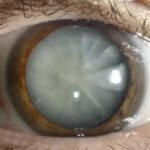
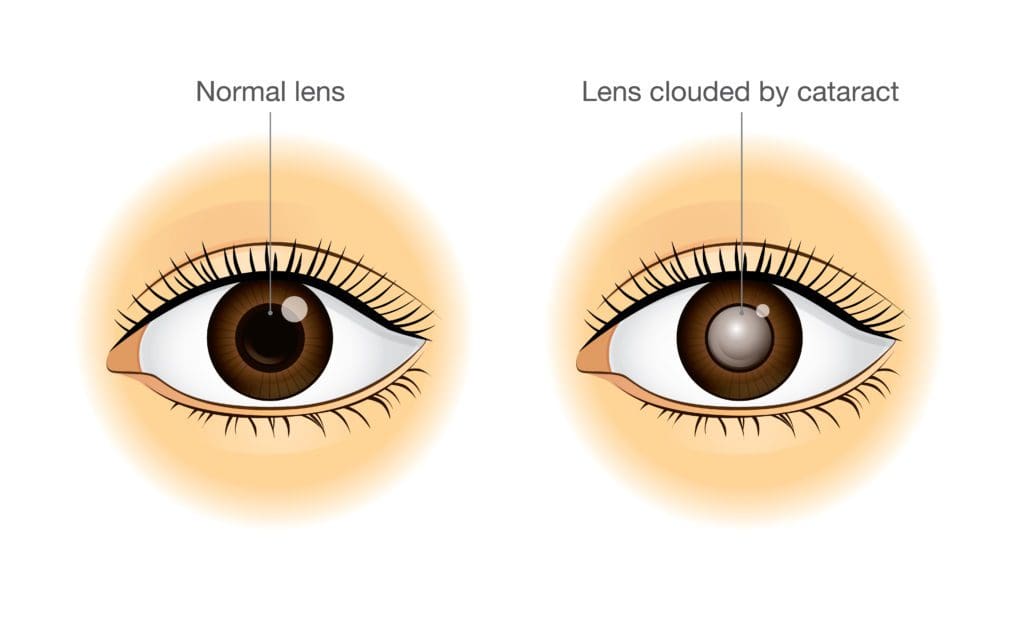
A cataract is a clouding of the eye's natural lens, leading to blurred or dim vision.
Although cataracts are often considered a normal part of aging, people with diabetes
are at a significantly higher risk of developing them at an earlier age. Poorly
controlled blood sugar levels can accelerate changes within the lens, making
cataracts develop faster and progress more rapidly than in individuals without
diabetes.
Understanding the relationship between diabetes and cataracts is essential for
protecting long-term eye health. With regular eye examinations, proper blood sugar
management, and timely treatment, vision loss from cataracts can often be
prevented or successfully restored.
What Are Cataracts?
The natural lens of the eye is a transparent structure located behind the iris and
pupil. Its primary function is to focus light onto the retina, allowing us to see clearly. A
healthy lens remains clear and flexible, enabling sharp vision at various distances.
A cataract develops when proteins within the lens begin to break down and clump
together. Over time, these protein deposits cause the lens to become cloudy,
preventing light from passing through effectively. As a result, vision becomes blurred,
faded, or distorted.
Cataracts usually develop gradually and may affect one or both eyes. They are not
contagious and cannot spread from one eye to the other.
Common symptoms of cataracts include:
* Blurred or cloudy vision
* Difficulty seeing at night
* Increased sensitivity to bright lights and glare
* Frequent changes in spectacle prescription
* Faded or yellowish colors
* Double vision in one eye
* Difficulty reading despite adequate lighting
Without treatment, cataracts continue to progress and can eventually cause
significant vision impairment.
Understanding Diabetes
Diabetes mellitus is a chronic condition in which the body cannot regulate blood
glucose levels effectively. This occurs either because the body does not produce
enough insulin or because it cannot use insulin properly.
There are three major types:
* Type 1 Diabetes
* Type 2 Diabetes
* Gestational Diabetes
High blood sugar affects blood vessels and tissues throughout the body, including
delicate structures within the eyes.
People with diabetes may develop several eye diseases, including:
* Diabetic retinopathy
* Diabetic macular edema
* Glaucoma
* Cataracts
Among these, cataracts often develop much earlier than expected.
Why Does Diabetes Increase the Risk of Cataracts?
Several biological processes explain why diabetes accelerates cataract formation.
1. Excess Sugar Enters the Lens
When blood sugar remains elevated, excess glucose enters the eye's natural lens.
Inside the lens, glucose is converted into sorbitol.
Unlike glucose, sorbitol accumulates within the lens because it cannot easily leave
the cells.
This buildup attracts water into the lens, causing swelling and disrupting the
arrangement of lens fibers. These changes reduce lens transparency and eventually
result in cataract formation.
2. Oxidative Stress
High blood sugar increases the production of harmful molecules known as free
radicals.
These unstable molecules damage lens proteins and reduce the effectiveness of
natural antioxidants that normally protect the eye.
As oxidative damage accumulates, the lens becomes cloudy more rapidly.
3. Protein Damage
The lens consists mainly of specialized proteins called crystallins.
Persistent high blood glucose causes these proteins to undergo chemical changes
known as glycation.
Glycated proteins lose their normal structure, clump together, and scatter light,
producing the cloudiness characteristic of cataracts.
4. Poor Blood Sugar Control
Research consistently shows that individuals with poorly controlled diabetes develop
cataracts earlier than those who maintain stable blood glucose levels.
The longer blood sugar remains elevated, the greater the damage to the lens.
Who Is Most at Risk?
Although anyone can develop cataracts, certain diabetic individuals face an even
greater risk.
Risk factors include:
* Long duration of diabetes
* Poor blood sugar control
* High HbA1c levels
* Increasing age
* High blood pressure
* High cholesterol
* Smoking
* Obesity
* Excessive ultraviolet (UV) exposure
* Family history of cataracts
People with Type 1 diabetes may develop cataracts at a younger age, while
cataracts are particularly common among older adults with Type 2 diabetes.
How Are Cataracts Diagnosed?
Early cataracts may not cause noticeable symptoms. This is why routine eye
examinations are especially important for people living with diabetes.
A comprehensive eye examination typically includes:
* Visual acuity testing
* Refraction
* Slit-lamp examination
* Dilated retinal examination
* Measurement of intraocular pressure when necessary
The slit lamp allows the eye care professional to evaluate the clarity of the lens and
determine the type and severity of the cataract.
A dilated examination is particularly important because diabetes may also damage
the retina. Detecting diabetic retinopathy before cataract surgery helps improve
treatment planning.
Can Cataracts Be Prevented?
Although aging cannot be stopped, several lifestyle measures can significantly
reduce the risk of developing cataracts or slow their progression.
Maintain Good Blood Sugar Control
Keeping blood glucose within the recommended range remains the most effective
strategy.
Regular monitoring, taking prescribed medications, following dietary
recommendations, and remaining physically active all contribute to healthier eyes.
Schedule Regular Eye Examinations
People with diabetes should undergo comprehensive dilated eye examinations at
least once every year or more frequently if recommended by their eye care
professional.
Early detection allows treatment before vision becomes severely affected.
Eat a Balanced Diet
A diet rich in antioxidants supports eye health.
Foods that benefit the eyes include:
* Green leafy vegetables
* Citrus fruits
* Carrots
* Bell peppers
* Tomatoes
* Fish rich in omega-3 fatty acids
* Nuts and seeds
These foods help combat oxidative stress within the lens.
Wear UV-Protective Sunglasses
Long-term exposure to ultraviolet radiation contributes to cataract development.
Wearing sunglasses that block 100% of UVA and UVB rays helps protect the eyes.
Avoid Smoking
Smoking increases oxidative damage and significantly raises the risk of cataracts.
Quitting smoking benefits both eye health and overall health.
Control Blood Pressure and Cholesterol
Maintaining healthy cardiovascular health reduces complications affecting the eyes
and supports better outcomes after cataract surgery.
Treatment of Cataracts
In the early stages, stronger glasses, brighter lighting, and magnifying lenses may
temporarily improve vision.
However, once cataracts begin interfering with daily activities such as reading,
driving, or recognizing faces, surgery becomes the only effective treatment.
Fortunately, cataract surgery is one of the safest and most successful surgical
procedures performed worldwide.
Cataract Surgery in People with Diabetes
During cataract surgery, the cloudy natural lens is removed and replaced with a clear
artificial intraocular lens (IOL).
Modern surgery usually involves a technique called phacoemulsification, where
ultrasound energy breaks the cataract into tiny fragments before removal through a
small incision.
Most procedures are completed within 20 to 30 minutes under local anesthesia.
Special Considerations for Diabetic Patients
Although cataract surgery is highly successful, diabetic patients require additional
evaluation before surgery.
Eye care professionals carefully assess:
* Blood sugar control
* Diabetic retinopathy
* Macular edema
* Overall retinal health
* General medical condition
Patients with uncontrolled diabetes or active retinal disease may require retinal
treatment before cataract surgery.
Good coordination between the ophthalmologist, retina specialist, physician, and
diabetes care team ensures optimal outcomes.
Recovery After Surgery
Most people notice improved vision within a few days, although complete healing
may take several weeks.
After surgery, patients are advised to:
* Use prescribed eye drops regularly.
* Avoid rubbing the eye.
* Protect the eye from dust and injury.
* Avoid strenuous activities for the recommended period.
* Attend all follow-up appointments.
Diabetic patients should continue monitoring blood sugar carefully because poor
glucose control can delay healing.
Can Cataracts Return?
The cataract itself cannot return because the cloudy natural lens has been removed
permanently.
However, some individuals develop clouding of the capsule that holds the artificial
lens. This condition is known as posterior capsule opacification.
It is not a new cataract and can be treated quickly and painlessly using a laser
procedure called YAG laser capsulotomy.
Living Well with Diabetes and Healthy Vision
Managing diabetes involves much more than controlling blood sugar. Protecting
eyesight should be an important part of every diabetes care plan.
Simple habits such as maintaining healthy glucose levels, exercising regularly, eating
nutritious foods, avoiding smoking, wearing UV protection, and scheduling routine
eye examinations can significantly reduce the risk of vision loss.
Even if cataracts develop, early diagnosis and timely surgery offer an excellent
chance of restoring clear vision and improving quality of life.
Remember that vision changes should never be ignored. Blurred vision is not always
due to changing glasses—it may be an early sign of cataracts or other diabetic eye
diseases requiring prompt medical attention.
Conclusion
The connection between diabetes and cataracts is well established. High blood
sugar accelerates changes within the eye's natural lens, causing cataracts to
develop earlier and progress more rapidly than in individuals without diabetes.
Fortunately, this risk can be reduced through effective diabetes management, regular
comprehensive eye examinations, and healthy lifestyle choices.
Cataracts remain one of the leading causes of reversible vision loss, and modern
surgical techniques provide excellent visual outcomes for most patients. For people
living with diabetes, staying proactive about eye health is just as important as
monitoring blood sugar. Early detection, consistent medical care, and timely
treatment can preserve vision for years to come.
Healthy eyes begin with healthy habits. By understanding the relationship between
diabetes and cataracts, individuals can take informed steps to protect their sight and
maintain a better quality of life.