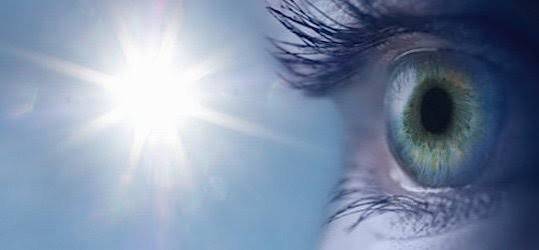
We often remember to protect our skin from the sun by applying sunscreen, but eye protection is just as important. Every day, our eyes are exposed to ultraviolet (UV) radiation from the sun, and over time this exposure can lead to permanent eye damage. Unlike a sudden injury, UV damage builds up gradually throughout life, making prevention essential.
According to the World Health Organization (WHO), approximately 20% of cataract cases worldwide may be associated with prolonged UV exposure. Cataracts remain one of the leading causes of vision impairment and blindness globally. Research also suggests that long-term UV exposure increases the risk of developing pterygium, photokeratitis, climatic droplet keratopathy, and age-related macular degeneration (AMD).
The good news is that protecting your eyes from UV rays is simple. By following a few healthy habits every day, you can significantly reduce your risk of developing these eye conditions while preserving your vision for the future.
What Are UV Rays?
Ultraviolet (UV) radiation is an invisible form of electromagnetic energy emitted by the sun. It is divided into three categories:
UVA Rays (315–400 nm): These penetrate deep into the eye and contribute to long-term retinal and lens damage.
UVB Rays (280–315 nm): More energetic than UVA rays, UVB mainly affects the cornea and lens and can cause painful conditions like photokeratitis.
UVC Rays (100–280 nm): Fortunately, almost all UVC radiation is absorbed by Earth’s ozone layer and does not normally reach us.
Even on cloudy days, up to 80% of UV rays can penetrate cloud cover, meaning your eyes are still exposed when the sun isn’t visible. UV radiation is also stronger at higher altitudes and near reflective surfaces such as snow, water, white sand, and concrete.
Why UV Protection Matters
Long-term UV exposure has been linked to several eye diseases, including:
Cataracts: UV radiation accelerates the clouding of the eye’s natural lens.
Photokeratitis: Often called “sunburn of the eye,” this painful condition may cause redness, tearing, blurred vision, and sensitivity to light.
Pterygium: A wedge-shaped growth of tissue on the conjunctiva that may extend onto the cornea.
Age-Related Macular Degeneration (AMD): Although multiple factors contribute to AMD, cumulative UV exposure may increase the risk.
Eyelid Skin Cancer: The delicate skin around the eyes is particularly vulnerable to UV-induced skin cancers.
Since UV damage accumulates over decades, protecting your eyes today can reduce the likelihood of developing these conditions later in life.
1. Choose Sunglasses with 100% UV Protection
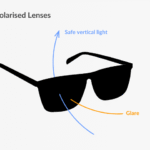
Not all sunglasses provide adequate protection. Dark lenses without UV filters may actually increase eye damage because they cause the pupil to dilate, allowing more harmful UV radiation to enter the eye.
When purchasing sunglasses, always look for labels stating:
100% UVA and UVB Protection
UV400 Protection
UV400 lenses block nearly all ultraviolet radiation up to 400 nanometers, covering both UVA and UVB rays.
Wraparound sunglasses provide additional protection by reducing UV rays entering from the sides.
2. Wear a Wide-Brimmed Hat
A hat with a brim of at least 7–10 cm can reduce the amount of UV radiation reaching your eyes and face. Studies suggest that wearing a hat together with UV-blocking sunglasses provides much greater protection than using either alone.
3. Avoid Peak Sunlight Hours
The sun’s UV intensity is usually highest between 10:00 a.m. and 4:00 p.m.
If possible:
Schedule outdoor exercise in the early morning or late afternoon.
Stay under shade whenever available.
Remember that shade reduces but does not eliminate UV exposure because reflected rays can still reach your eyes.
4. Protect Children’s Eyes
Children are especially vulnerable because their eyes allow more UV radiation to reach the retina than adult eyes. They also spend more time outdoors.
Parents should encourage children to:
Wear UV400 sunglasses.
Use wide-brimmed hats.
Avoid staring directly at the sun.
Develop lifelong sun-safe habits.
5. Be Extra Careful Near Water, Sand, and Snow
Reflective surfaces greatly increase UV exposure.
Approximate UV reflection:
Fresh snow: Up to 80%
Dry beach sand: Around 15–25%
Water: Around 10%
Concrete and roads: Around 10–12%
This is why eye protection is especially important during beach vacations, mountain trips, skiing, boating, and outdoor sports.
6. Eat Foods That Support Eye Health
Nutrition cannot replace sunglasses, but it helps protect eye tissues from oxidative stress.
Include foods rich in:
Vitamin A: Carrots, sweet potatoes, spinach
Vitamin C: Oranges, guava, kiwi, strawberries
Vitamin E: Almonds, sunflower seeds
Omega-3 Fatty Acids: Salmon, sardines, flaxseed
Lutein & Zeaxanthin: Kale, spinach, broccoli, corn
Zinc: Beans, nuts, seafood
A balanced diet supports healthy retinal function and may reduce the progression of age-related eye diseases.
7. Stay Hydrated
Adequate hydration helps maintain a healthy tear film, reducing dryness and improving comfort during hot weather and prolonged outdoor exposure.
8. Never Look Directly at the Sun
Directly viewing the sun—even for a few seconds—can permanently damage the retina.
During a solar eclipse, only use ISO 12312-2 certified eclipse glasses. Ordinary sunglasses, regardless of how dark they appear, are not safe for solar viewing.
9. Schedule Regular Comprehensive Eye Examinations
Many UV-related eye diseases develop gradually without early symptoms.
Adults should have routine eye examinations as recommended by their eye care professional, especially if they:
Spend significant time outdoors.
Have diabetes or hypertension.
Have a family history of eye disease.
Are over 40 years of age.
Early diagnosis often leads to better treatment outcomes.
10. Make UV Protection a Daily Habit
Eye protection should become as routine as wearing a seatbelt.
Whether you are:
Driving,
Walking,
Gardening,
Cycling,
Shopping,
Playing sports,
wearing UV-protective sunglasses can significantly reduce cumulative UV exposure over your lifetime.
Final Thoughts
Your eyesight is invaluable, and protecting it does not require expensive equipment or complicated routines. A quality pair of UV400 sunglasses, a wide-brimmed hat, a nutrient-rich diet, adequate hydration, and regular eye examinations are simple yet powerful habits that can safeguard your vision for decades.
Remember, UV damage is cumulative. Every day you protect your eyes is an investment in your future vision. Make eye protection part of your daily routine—not just during summer vacations, but every time you step outdoors.
Healthy eyes today mean a clearer, brighter tomorrow.