Retinal diseases are among the leading causes of vision loss worldwide. For optometrists,
understanding these conditions is critical—not only for early detection but also for patient
education and timely referral to ophthalmologists. Early recognition can prevent serious visual
impairment and improve patient outcomes.
The Importance of Retinal Knowledge for Optometrists
Optometrists are often the first healthcare professionals to detect retinal changes. Recognizing
subtle signs, understanding risk factors and knowing when to refer patients are essential skills
in everyday clinical practice.
Common Retinal Conditions
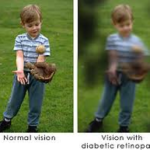
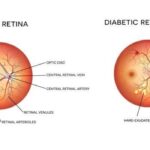
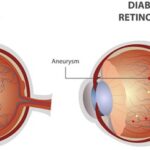
Diabetic Retinopathy (DR): Chronic high blood sugar can damage retinal blood vessels, causing
microaneurysms, hemorrhages and swelling. Early detection during routine exams allows timely
referral and management.
Age-Related Macular Degeneration (AMD): Affects central vision, making reading or
recognizing faces difficult. Drusen and pigment changes are early signs that should be
monitored closely.
Retinal Detachment: Sudden flashes, floaters or shadows in vision are urgent warning signs.
Immediate referral to an ophthalmologist is critical.
Inherited Retinal Disorders: Night blindness or peripheral vision loss may indicate genetic
retinal conditions. Early recognition enables low-vision support and patient counseling.
Central Serous Chorioretinopathy (CSCR): Often linked to stress or steroid use, presenting as
sudden central vision distortion. Early evaluation ensures proper management and referral.
The Optometrist’s Role
Optometrists play a vital role in preserving vision by:
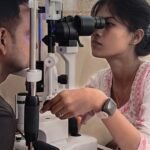
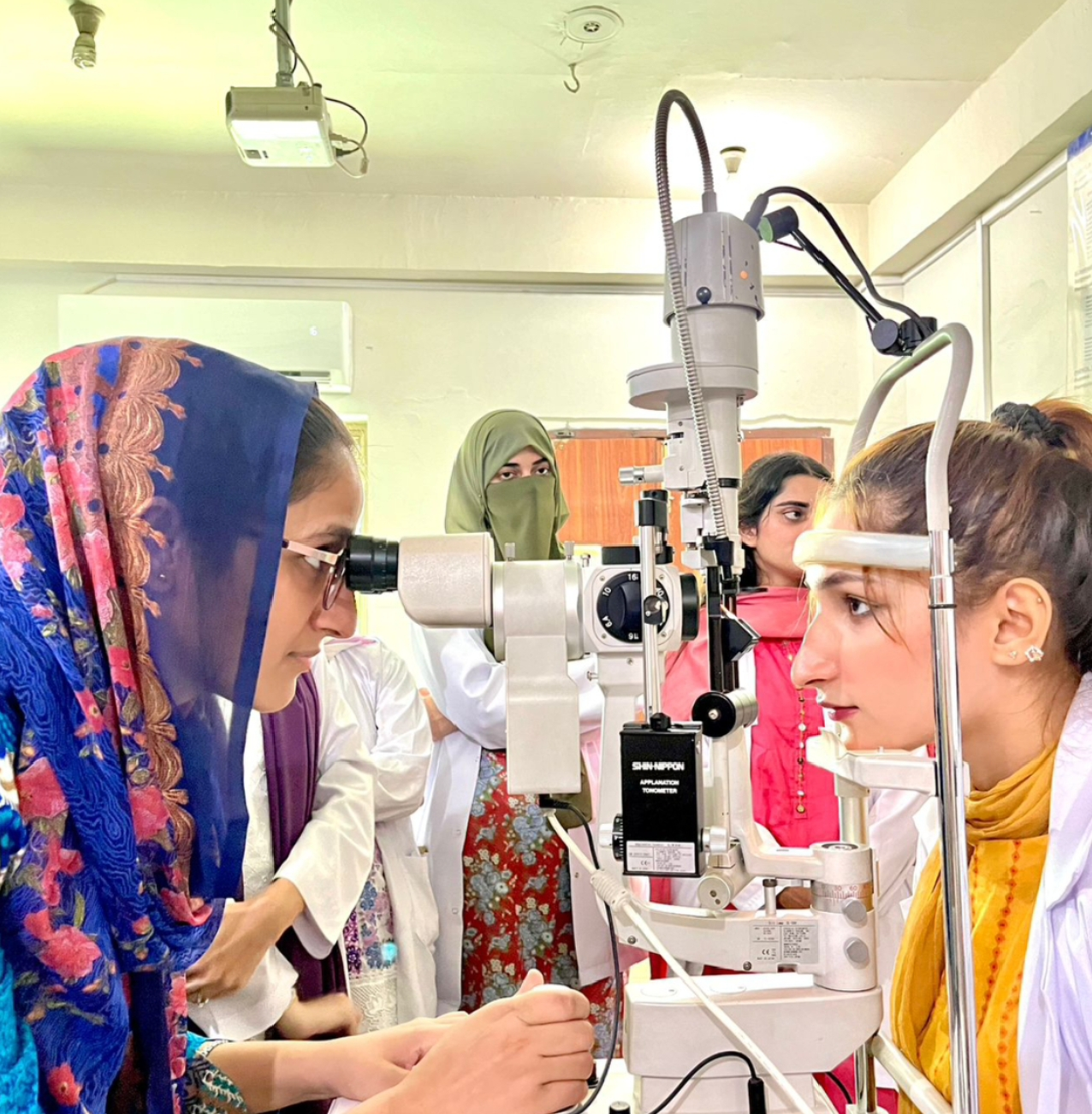
Conducting thorough retinal examinations using slit-lamp biomicroscopy, fundus
photography and OCT.
Assessing systemic risk factors such as diabetes, hypertension and cardiovascular
disease.
Educating patients about retinal health, preventive care and lifestyle modifications.
Referring promptly to ophthalmologists for advanced imaging, laser treatment or
surgical care when needed.
Practical Tips for Clinical Practice
Incorporate regular retinal screening for at-risk patients.
Stay updated on emerging retinal imaging technologies for early detection.
Document and monitor subtle retinal changes over time.
Build strong referral networks with ophthalmologists for timely intervention.
Key Takeaway
Optometrists are the first line of defense in protecting retinal health. Early detection, patient
education and timely referral can prevent vision loss and improve outcomes. Staying vigilant
and proactive ensures your patients maintain healthy vision for life.