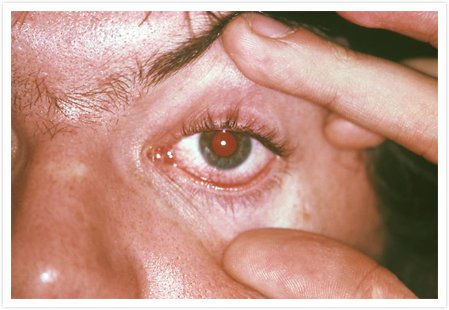
Trachoma
Introduction - Blindness is one of the most life-altering conditions, especially when it is preventable. Trachoma is one of the leading causes of avoidable blindness worldwide, particularly in developing countries.…

Introduction - Blindness is one of the most life-altering conditions, especially when it is preventable. Trachoma is one of the leading causes of avoidable blindness worldwide, particularly in developing countries.…
Diabetes mellitus is one of the fastest growing chronic diseases worldwide, affecting hundreds of millions of people. In addition to systemic complications involving the kidneys, nerves, and cardiovascular system, diabetes…
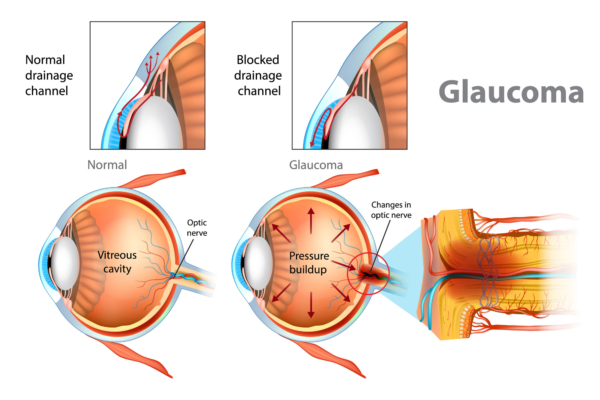
Imagine losing your vision slowly—so gradually that you don’t even notice it happening. This is the reality of glaucoma, a condition often referred to as the “silent thief of sight.”…

Picture a child in a classroom, struggling to read the board. It’s not a lack of effort or intelligence—but a simple, correctable problem: they cannot see clearly. Across the globe,…

Preventable blindness is a major global health concern that continues to affect millions of people despite the availability of effective treatments and preventive strategies. It refers to vision loss that…
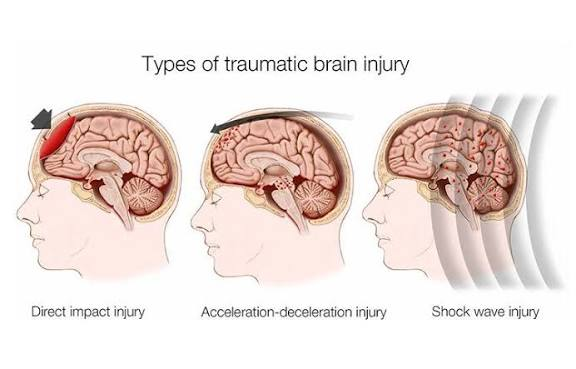
Imagine waking up one day to find that the world feels slightly off. The ground seems tilted, words on a page appear to double or move, and you feel disoriented…
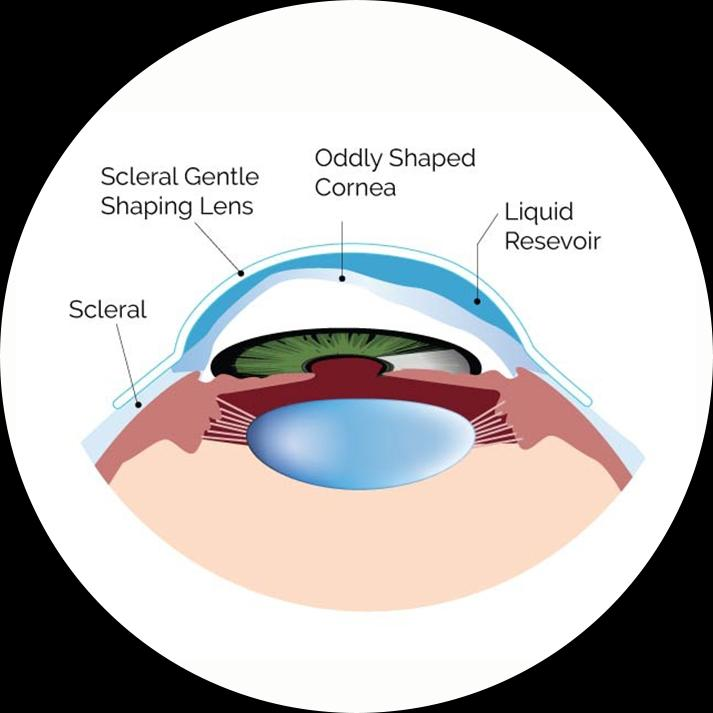
Introduction - Managing irregular corneas has always been one of the most challenging areas in clinical optometry. Unlike regular refractive errors such as myopia or hyperopia, irregular corneal conditions distort…
Diabetes mellitus is one of the fastest growing chronic diseases worldwide, affecting hundreds of millions of people. In addition to systemic complications involving the kidneys, nerves, and cardiovascular system, diabetes…
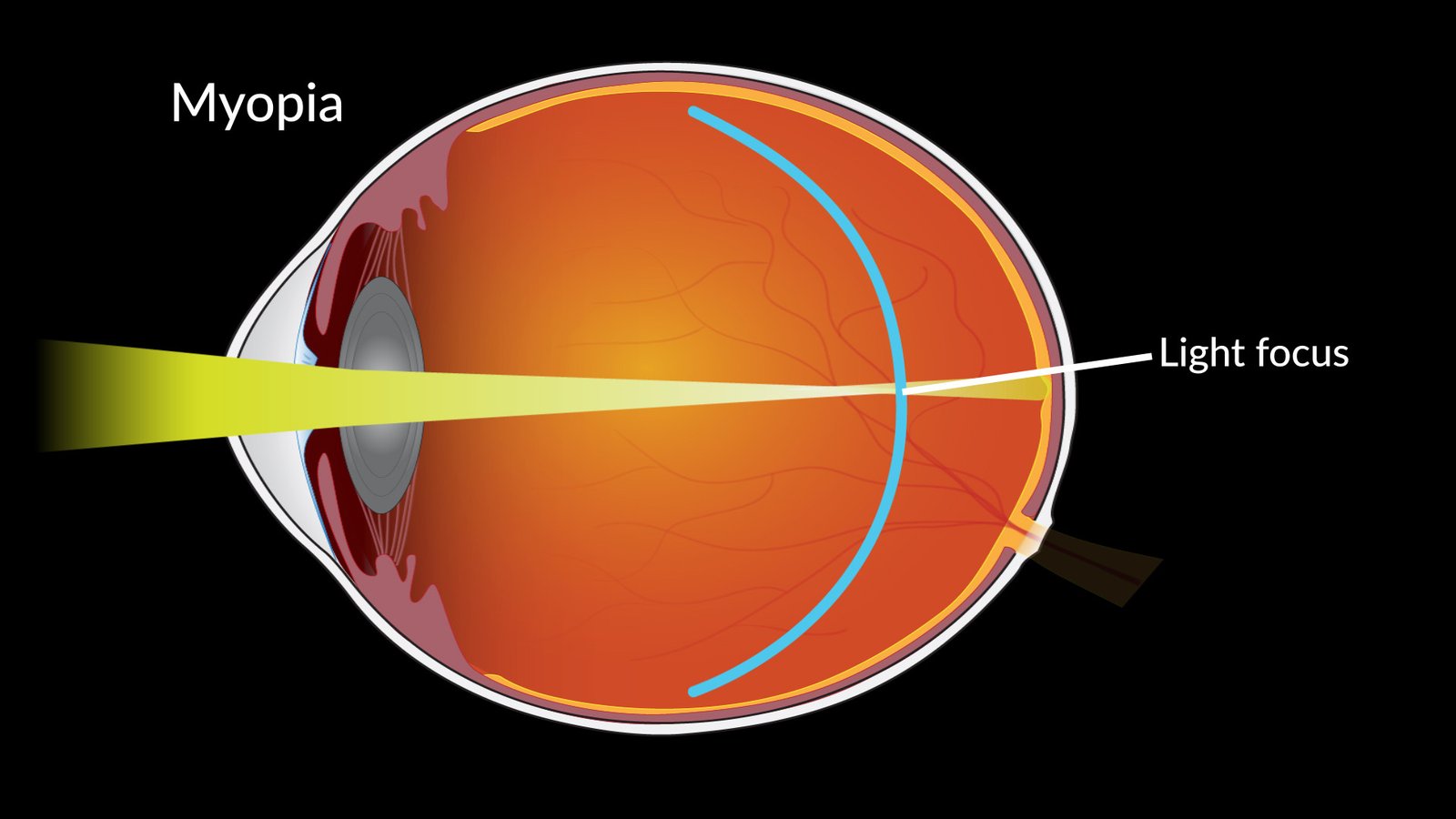
Myopia — or nearsightedness — is one of the fastest-growing public health concerns in eye care. Especially in children and adolescents, myopia progression can lead to high myopia and an…
Non-strabismic binocular vision disorders (NSBVDs) are subtle but clinically significant anomalies of the vergence and accommodative systems. Unlike strabismus, they do not involve a constant ocular deviation, yet they can…