
In today’s fast-paced digital world, screens have become an inseparable part of our daily
lives. From laptops and smartphones to tablets and digital workstations, working women are
constantly exposed to screens for professional as well as personal tasks. While technology
has undoubtedly improved productivity and connectivity, it has also led to a rising health
issue—digital eye strain.
Digital eye strain, also known as computer vision syndrome, refers to a group of eye and
vision-related problems that result from prolonged screen use. Working women, especially
those balancing professional responsibilities with household duties, are particularly
vulnerable to this condition due to extended screen exposure without adequate rest.
Understanding Digital Eye Strain
Digital eye strain occurs when the eyes are overworked due to continuous focusing on digital
screens. Unlike reading printed text, viewing screens requires more effort from the eyes
because of factors such as glare, poor contrast, improper viewing distance, and reduced
blinking rate.
When working on screens for long hours, the eyes struggle to maintain focus, leading to
fatigue. Over time, this can result in discomfort and even affect productivity and overall well-
being.
Why Working Women Are at Higher Risk
Working women often juggle multiple roles—professional, caregiver, and homemaker. This
leads to longer working hours, not just in offices but also at home, often involving screens.
Many women continue to use digital devices even after work hours for communication,
entertainment, or managing household responsibilities.
Additionally, remote work and flexible job structures have blurred the boundaries between
personal and professional time. This has increased screen time significantly, making it harder
for the eyes to rest.
Hormonal changes, which women may experience during different life stages such as
pregnancy or menopause, can also affect tear production, making the eyes more prone to
dryness and irritation. Combined with prolonged screen use, this further increases the risk of
digital eye strain.
Common Symptoms
Digital eye strain manifests through various symptoms, which may vary from person to
person. Some of the most common include:
Dry, irritated, or watery eyes
Blurred or double vision
Headaches, especially after screen use
Eye fatigue or heaviness
Sensitivity to light
Neck, shoulder, or back pain
These symptoms may seem minor initially but can worsen if ignored over time.
Impact on Productivity and Quality of Life
For working women, digital eye strain is more than just a physical discomfort—it can
significantly affect work efficiency and quality of life. Constant eye discomfort can reduce
concentration, increase errors, and slow down work performance.
Headaches and fatigue can extend beyond work hours, making it difficult to manage
household responsibilities or enjoy personal time. Over time, this can contribute to stress and
burnout.
Moreover, persistent eye strain can discourage women from engaging in activities they enjoy,
such as reading or using digital platforms for learning and creativity.
Preventive Measures and Healthy Habits
The good news is that digital eye strain can be managed and even prevented with simple
lifestyle adjustments and conscious habits.
1. Follow the 20-20-20 Rule
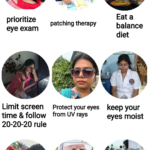
One of the most effective ways to reduce eye strain is to follow the 20-20-20 rule: every 20 minutes, take a 20-second break and look at something 20 feet away. This helps relax the eye muscles and reduces fatigue.
2. Maintain Proper Screen Distance and Position
The screen should be placed about an arm’s length away and slightly below eye level. This reduces strain on both the eyes and neck.
3. Adjust Lighting and Reduce Glare
Working in a well-lit environment with minimal glare is crucial. Avoid placing screens directly in front of bright windows or under harsh lighting. Anti-glare screens or filters can also be helpful.
4. Blink More Often
Blinking keeps the eyes moist and prevents dryness. However, people tend to blink less when using screens. Making a conscious effort to blink more frequently can help maintain eye comfort.
5. Use Artificial Tears if Needed
If dryness persists, lubricating eye drops can provide relief. However, they should be used under professional guidance.
6. Take Regular Breaks
Short breaks between work sessions not only relax the eyes but also improve overall productivity and mental clarity.
7. Wear Proper Eyewear
Using computer glasses or blue light filtering lenses can reduce strain, especially for those who spend long hours in front of screens.
8. Maintain Good Posture
Proper sitting posture reduces strain on the neck and shoulders, indirectly benefiting eye comfort as well.
The Role of Workplace Awareness
Employers and organizations play an important role in addressing digital eye strain. Creating
awareness about eye health, encouraging regular breaks, and designing ergonomic
workspaces can make a significant difference.
Flexible work policies should also ensure that employees are not overburdened with extended
screen hours. Providing access to regular eye check-ups can further help in early detection
and management of vision problems.
Importance of Regular Eye Check-Ups
Routine eye examinations are essential, especially for working women who rely heavily on
digital devices. An eye check-up can detect underlying vision issues such as refractive errors
or dry eye conditions that may worsen digital eye strain.
Early intervention can prevent complications and ensure long-term eye health. Ignoring
symptoms or self-medicating without proper consultation can lead to more serious problems.
Balancing Digital and Personal Life
In addition to workplace habits, managing screen time in personal life is equally important.
Limiting unnecessary device usage, especially before bedtime, can reduce strain and improve
sleep quality.
Engaging in offline activities such as reading printed books, exercising, or spending time
outdoors can help give the eyes much-needed rest.
Creating a balance between digital and non-digital activities is key to maintaining both eye
health and overall well-being.
Conclusion
Digital eye strain is an increasingly common issue among working women in today’s
technology-driven world. While it may seem like a minor inconvenience, its long-term
impact on health, productivity, and quality of life cannot be overlooked.