Every year, Cataract Awareness Month provides an opportunity to raise awareness about one of the most common and treatable causes of vision loss worldwide. Vision is one of our most precious senses, enabling us to work, learn, communicate, and enjoy everyday life. Yet millions of people suffer from cataracts, a condition that gradually clouds the eye’s natural lens and leads to impaired vision. Despite being the leading cause of blindness globally, cataract-related blindness is largely preventable through regular eye examinations, early diagnosis, and timely surgical treatment.
The purpose of Cataract Awareness Month is not only to educate people about cataracts but also to encourage individuals to prioritize their eye health. By understanding the causes, symptoms, risk factors, prevention strategies, and treatment options, people can take proactive steps to preserve their vision and improve their quality of life.
What Is a Cataract?
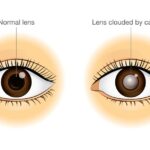
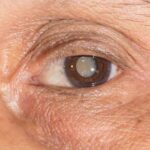
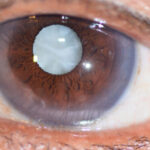
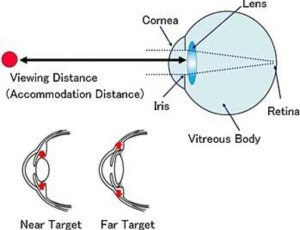
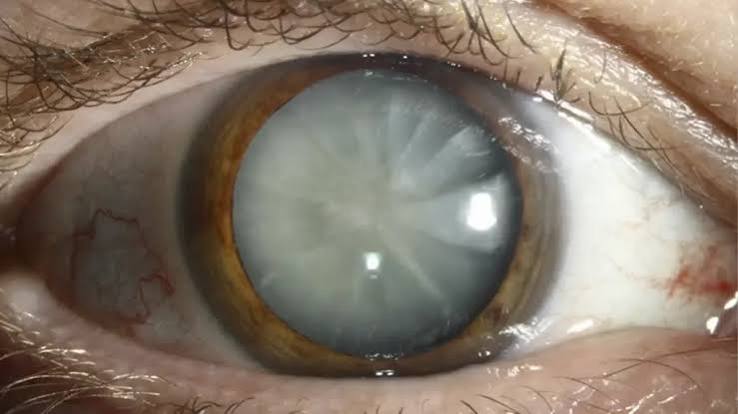
A cataract is the clouding of the eye’s natural crystalline lens, located behind the iris and pupil. Under normal conditions, the lens is transparent and focuses incoming light onto the retina, allowing us to see clear and sharp images. Over time, proteins within the lens begin to break down and clump together, causing the lens to become cloudy. As the cataract progresses, less light reaches the retina, resulting in blurred or dim vision.
Cataracts usually develop slowly and painlessly. In the early stages, they may not significantly affect vision. However, as the clouding increases, everyday activities such as reading, driving, recognizing faces, watching television, and using digital devices become increasingly difficult.
Types of Cataracts
Several types of cataracts exist, each affecting different parts of the lens.
Nuclear cataracts develop in the center of the lens and are commonly associated with aging.
Cortical cataracts begin at the outer edge of the lens and gradually extend toward the center in wedge-shaped patterns.
Posterior subcapsular cataracts form at the back of the lens and often progress more rapidly than other types. They commonly affect people with diabetes, those taking long-term corticosteroid medications, or individuals with high myopia.
Congenital cataracts are present at birth or develop during childhood due to genetic factors, infections during pregnancy, or metabolic disorders.
Causes and Risk Factors
Although aging is the most important risk factor, cataracts can develop because of several other factors.
Common risk factors include:
Increasing age
Diabetes mellitus
Long-term corticosteroid use
Smoking
Excessive alcohol consumption
Prolonged exposure to ultraviolet (UV) radiation
Eye injuries or trauma
Previous eye surgery
Family history of cataracts
High myopia
Poor nutrition and antioxidant deficiency
Understanding these risk factors allows individuals to make healthier lifestyle choices that may delay the onset or progression of cataracts.
Signs and Symptoms
Cataracts usually develop gradually, and symptoms often become noticeable only after significant lens clouding has occurred.
Common symptoms include:
Blurred or cloudy vision
Difficulty seeing at night
Increased sensitivity to bright light and glare
Seeing halos around lights
Frequent changes in spectacle prescription
Fading or yellowing of colors
Double vision in one eye
Difficulty reading even with glasses
Reduced contrast sensitivity
If these symptoms interfere with daily activities, an eye examination should be arranged as soon as possible.
Diagnosis
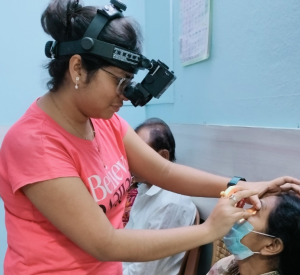
A comprehensive eye examination is essential for diagnosing cataracts. Eye care professionals perform several tests to assess both vision and ocular health.
These may include:
Visual acuity testing
Refraction
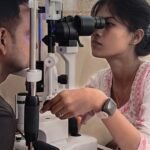
Slit-lamp biomicroscopy
Dilated fundus examination
Intraocular pressure measurement when indicated
These examinations help determine not only the presence of cataracts but also whether other eye diseases such as glaucoma or retinal disorders are contributing to vision loss.
Can Cataracts Be Prevented?
Although cataracts cannot always be prevented, adopting healthy habits can reduce the risk or slow their progression.
Helpful preventive measures include:
Wearing sunglasses that block 100% of UVA and UVB rays
Using a wide-brimmed hat outdoors
Eating a diet rich in fruits, vegetables, and antioxidants
Controlling diabetes effectively
Avoiding smoking and limiting alcohol intake
Protecting the eyes from injuries
Maintaining regular comprehensive eye examinations
Managing other chronic medical conditions appropriately
Early detection remains one of the most effective ways to preserve vision.
Treatment Options
Currently, there is no medication, eye drop, vitamin, or exercise capable of removing a cataract. Surgery is the only proven and effective treatment.
Modern cataract surgery is one of the safest and most successful surgical procedures performed worldwide. During surgery, the cloudy natural lens is removed using techniques such as phacoemulsification and replaced with a clear artificial intraocular lens (IOL). The procedure generally takes less than 30 minutes and is usually performed under local anesthesia as a day-care surgery.
Most patients notice significant improvement in vision within a few days, although complete healing may take several weeks. Advances in intraocular lens technology now allow many patients to achieve excellent distance, intermediate, and even near vision with reduced dependence on spectacles.
The Global Burden of Cataracts
According to global public health estimates, cataracts remain the leading cause of blindness and visual impairment worldwide, particularly in low- and middle-income countries where access to quality eye care services is limited. Delayed diagnosis, lack of awareness, financial barriers, and shortages of trained eye care professionals continue to prevent millions of people from receiving timely treatment.
Expanding access to affordable cataract surgery and increasing public awareness are essential steps toward reducing avoidable blindness and improving quality of life for aging populations.
Why Cataract Awareness Month Matters
Cataract Awareness Month plays a vital role in educating communities about eye health and encouraging regular eye examinations. Many people mistakenly believe that poor vision is simply an unavoidable part of aging and therefore delay seeking professional care. Awareness campaigns help dispel these myths by emphasizing that cataracts are highly treatable and that vision can often be restored successfully through surgery.
Healthcare professionals, optometrists, ophthalmologists, community organizations, and public health agencies all contribute by offering educational programs, vision screenings, and outreach initiatives that promote early detection and timely intervention.