Early detection of diabetic retinopathy (DR) is crucial because the disease often progresses without
symptoms. Identifying the condition early reduces the
risk of vision loss by 95%. Optometrists play a
frontline role in these screenings, preserving vision
through timely diagnosis, management, and referral.
What is Diabetic Retinopathy?
Diabetic retinopathy is an eye complication resulting from diabetes. It can affect anyone with type 1
or type 2 diabetes and is a leading cause of blindness in adults. According to the American
Academy of Ophthalmology, the condition occurs when blood sugar levels are elevated, causing
damage to the blood vessels in the retina.
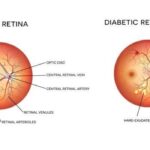
The retina, a crucial tissue at the back of the eye, is essential for vision. It converts light that enters
the eye into electrical signals, which are then sent to the brain via the optic nerve. These signals
are processed by the brain to form the images we see.
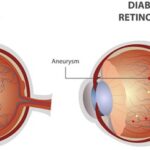
When there is damage to the blood vessels, it can disrupt the normal blood flow within the eye and
can lead to vision problems. With diabetic retinopathy, typically both eyes are affected by the
condition.
There are two main stages of diabetic eye disease:
Non-Proliferative Diabetic Retinopathy (NPDR): The initial stage of diabetic eye disease. It is
prevalent among individuals with diabetes. It is characterized by tiny blood vessels leaking in the
retina, leading to retinal swelling. When swelling occurs in the central part of the retina (macula), it
is called macular edema, a significant cause of vision loss in diabetic patients. NPDR can cause
blood vessels in the retina to close, a condition known as macular ischemia, resulting in limited
blood supply to the macula. Additionally, small deposits called exudates can form in the retina,
further impairing vision.
Proliferative Diabetic Retinopathy (PDR) –
The more advanced stage of diabetic eye disease,
marked by the growth of new, fragile blood vessels, a process known as neovascularization. These
vessels are prone to bleeding into the vitreous, the clear, gel-like substance that fills the eye.
Abnormal blood vessels can cause scar tissue formation, which can affect the macula or lead to a
detached retina. To prevent severe vision loss, it is critical to monitor and treat PDR vigilantly
through appropriate medical interventions.
Importance of Early Detection
The early stages of diabetic retinopathy may not have any noticeable symptoms. That’s why
regular eye exams are crucial for people with diabetes. As diabetic retinopathy progresses, there
may be warning signs such as:
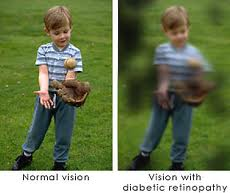
Blurred vision
Dark spots or floaters
Difficulty seeing at night
Vision changes, such as temporary blurring or colors appearing faded or washed out
Dark or empty areas in the vision
Deterioration in vision
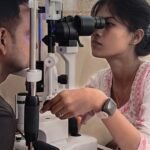
An ophthalmologist or optometrist can detect signs of this condition during a comprehensive eye
exam, which involves dilating your pupils to examine your retina thoroughly.
During your eye exam, your ophthalmologist will look for early signs of damage to the retina. This
may include swelling, bleeding, or abnormal blood vessel growth. Early detection through these
exams can result in prompt treatment and improved outcomes.
The Role of Regular Eye Exams
Regular eye exams are vital. They help in monitoring eye health and catching any changes early.
For those with diabetes, it is recommended to have a comprehensive eye exam at least once a
year. These exams can detect diabetic retinopathy before symptoms appear, allowing for early
intervention.
The Optometrist’s Role in Diabetes Care
Understanding Diabetic Retinopathy
When blood sugar levels are high, they can harm the blood vessels in the retina, the light-sensitive
part at the back of the eye, causing diabetic retinopathy. This damage can eventually result in
vision problems and potential blindness. The likelihood of developing diabetic retinopathy goes up
as diabetes persists, blood sugar control remains poor, and other factors like high blood pressure
come into play.
Optometrists play a crucial first-line role in your diabetes healthcare team. During your routine eye
exam, they do far more than just update your eyeglass .prescription:
Dilated Eye Exams: Optometrists use special drops to widen your pupils, which allows them
to closely inspect the back of your eye.
Identifying Early Signs: They can spot subtle indicators of retinal damage—such as
microaneurysms, small hemorrhages, and hard exudates—years before you experience any
visual changes.
Patient Education: Optometrists provide education on how controlling blood glucose, blood
pressure, and cholesterol directly correlates with saving your eyesight.
Co-Management and Referrals: If your optometrist detects advanced DR or Diabetic
Macular Edema (DME), they will coordinate with retinal specialists or ophthalmologists to
ensure you get timely, specialized medical or surgical intervention.
Recommended Exam Schedules
According to clinical position statements, the recommended frequency for eye exams varies
depending on the type of diabetes and your health status:
Type 1 Diabetes: An initial dilated eye exam should occur within 5 years of your diabetes onset.
Type 2 Diabetes: An initial comprehensive eye exam should happen immediately at the time of your diagnosis.
Pregnancy: Women with preexisting diabetes should have a comprehensive eye exam
before pregnancy or in the first trimester, with close monitoring during each trimester.
Follow-up: If no signs of retinopathy are found, annual or bi-annual exams may be recommended by your eye care professional.
Lifestyle and Health Management related patient education
It is much easier to control your diabetes than to treat eye conditions related to chronically
high blood sugar levels. Therefore, managing diabetes effectively is key to reducing the risk
of developing diabetic retinopathy. Here are some tips:
Monitor Blood Sugar Levels: Keep your blood sugar within the target range .
Maintain a Healthy Diet: Focus on balanced meals with controlled carbohydrate intake.
Exercise Regularly: Strive for at least 30 minutes of moderate exercise on most days.
Regular Medical Check-ups: Monitor your overall health and diabetes management.
Refer your patients to diabetes self-management education and support (DSMES) services
DSMES services help people live well with diabetes at any stage of their journey.
Participants work with diabetes care and education specialists to learn practical skills in
diabetes self-care. Skills include improving their blood sugar, eating well, being active, and
solving problems to manage their diabetes.