Introduction
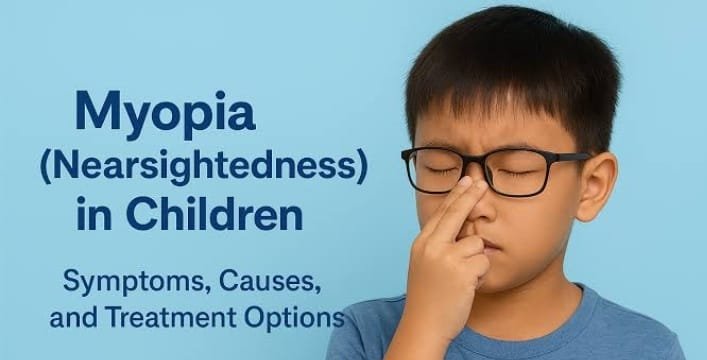
Myopia, commonly called nearsightedness or short-sightedness, is one of the most common refractive errors affecting children. A child with myopia can usually see nearby objects clearly, but distant objects such as the classroom board, television, road signs or faces across a room may appear blurred. Myopia develops when light entering the eye focuses in front of the retina instead of directly on it. This usually happens because the eyeball grows longer than normal or because the eye has excessive focusing power. Childhood is a particularly important period because the eyes are still growing, and myopia may progress rapidly as the child gets older.
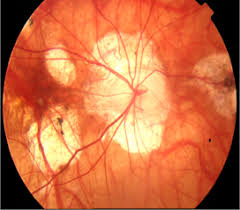
Early intervention is essential because myopia is not simply a matter of needing stronger glasses. The earlier myopia begins, the greater the number of years during which it may continue to progress. This increases the possibility of high myopia later in life. High myopia is associated with a greater risk of serious eye problems, including retinal changes, retinal detachment, glaucoma and other complications that may threaten vision. Therefore, modern management aims not only to provide clear vision but also to monitor and, when appropriate, slow the progression of myopia.
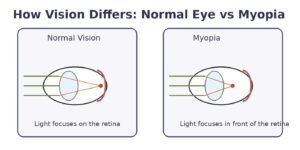
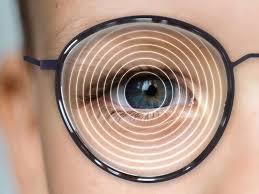
Figure 2: Basic difference between normal vision and myopia.
Why Does Myopia Develop and Progress?
Myopia develops through a combination of genetic and environmental influences. Children with one or both myopic parents may have a higher risk of becoming myopic. However, genes alone do not explain the increasing number of children developing myopia. Modern lifestyles may also play an important role. Long periods of close work, including reading, writing and use of smartphones, tablets and computers, combined with less time spent outdoors, are important concerns in childhood eye health.
During childhood, the eye is actively developing. If excessive axial elongation—the lengthening of the eyeball from front to back—continues, the myopic prescription may become progressively stronger. A young child who becomes myopic early may therefore have many years in which the eye can continue to elongate. Detecting myopia at an early stage allows the eye-care professional to establish a baseline and follow changes over time instead of waiting until the prescription becomes significantly stronger.
Why Early Intervention Matters
The first benefit of early intervention is better visual function. Clear distance vision is important for learning, reading the board, participating in sports, moving safely and recognising faces. Children do not always complain about blurred vision because they may assume that what they see is normal. Some may compensate by squinting, sitting very close to the television, moving closer to the board or holding devices unusually near. Regular vision screening and appropriate eye examinations can identify these problems before they significantly affect daily activities.
The second and more important benefit is the possibility of slowing progression. Conventional single-vision spectacles correct blurred vision but may not be sufficient to control the underlying progression in every child. Depending on the child’s age, prescription, rate of progression, eye measurements and individual needs, an eyecare professional may consider evidence-based myopia-control approaches. These may include specially designed spectacle lenses, multifocal or other specialised contact lenses, orthokeratology in selected cases, or low-dose atropine therapy under professional supervision. The choice of treatment must be individualised, and no child should begin medication or contact-lens treatment without proper examination, counselling and follow-up.
Early intervention also creates an opportunity to develop healthy visual habits. More outdoor time is commonly encouraged because outdoor exposure is associated with a lower risk of developing myopia and may support better eye health. Parents can also encourage regular breaks during prolonged near work. A simple strategy is the 20-2020 rule: after about 20 minutes of close work, look at something far away for about 20 seconds. Reading materials and digital devices should be kept at a comfortable working distance, and children should avoid prolonged uninterrupted near tasks.
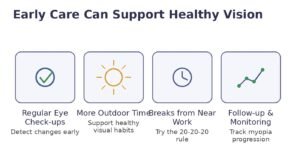
Figure 3: Educational overview of early intervention and healthy visual habits.
Warning Signs Parents and Teachers Should Notice
Parents and teachers play an important role in recognising possible myopia. Warning signs include squinting to see distant objects, sitting very close to the television or classroom board, holding books or digital devices unusually close, frequent eye rubbing, complaints of headaches or eye strain, reduced attention during distance-viewing tasks and difficulty recognising distant faces. A child may also avoid sports or activities that require clear distance vision. These signs do not always mean that a child has myopia, but they should prompt a professional vision assessment.
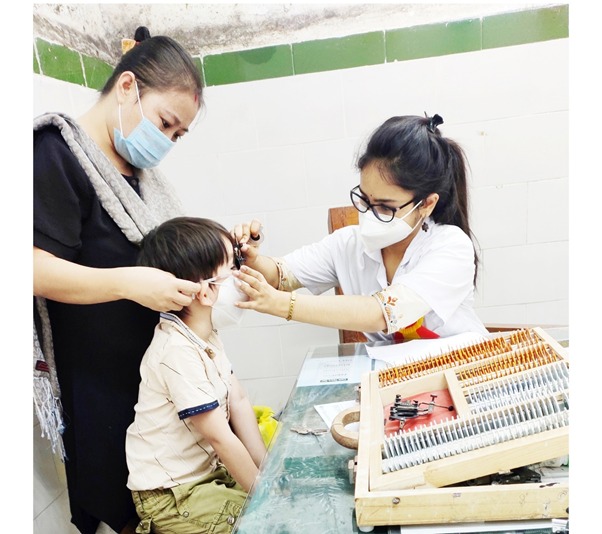
It is important to remember that children may have no obvious symptoms. This is why periodic vision screening is valuable. When a screening suggests a problem, a comprehensive eye examination can determine whether myopia or another refractive or eye condition is present. In children, accurate assessment may require specialised testing, including cycloplegic refraction when clinically indicated, because young eyes have strong focusing ability that can affect measurements.
The Role of Parents in Early Myopia Management
Parents should view myopia management as a long-term partnership with an eye-care professional. If a child is prescribed glasses, the child should use them as advised. Parents should attend scheduled follow-up visits so that changes in prescription and eye growth can be monitored. If a myopia-control treatment is recommended, consistency is important. Contact lenses require careful hygiene and responsible handling, while atropine and other therapies should be used exactly as prescribed.
A balanced lifestyle is equally important. Encourage outdoor play, physical activity and adequate rest. Avoid treating screens as the only cause of myopia, but reduce unnecessary prolonged close viewing and encourage regular breaks. Good posture, adequate lighting and a comfortable working distance are helpful habits. Most importantly, parents should not wait for a child to complain. Early assessment is often more useful than waiting for vision to become noticeably poor.
Long-Term Benefits of Acting Early
The goal of early intervention is not to promise a complete cure for myopia. Rather, it is to provide clear vision, detect progression promptly and reduce the likelihood of the child reaching unnecessarily high levels of myopia. Even a modest reduction in progression can be meaningful over many years. By identifying myopia early, monitoring the child regularly and introducing suitable interventions when necessary, eye-care professionals can help protect both present visual performance and future eye health.
Early intervention also improves confidence and quality of life. A child who sees clearly can participate more comfortably in classroom learning, sports and social activities. Families also gain a better understanding of why regular eye care matters. Myopia management therefore combines clinical treatment with education, monitoring and healthy daily habits. It is an active process rather than a one-time prescription for glasses.
Conclusion
Myopia in children is an important and growing eye-health concern, but early detection provides a valuable opportunity to act. The younger a child develops myopia, the more carefully progression should be monitored because the eyes may continue to grow for many years. Early intervention can restore clear vision, identify children at greater risk of progression and allow timely consideration of appropriate myopia-control strategies. Parents, teachers and eye-care professionals all have a role in recognising warning signs, supporting regular eye examinations and encouraging healthy visual habits. The key message is simple: do not wait for blurred vision to become severe. Early assessment and appropriate management can help children see clearly today while supporting healthier vision for the future.