Diabetes mellitus is one of the fastest growing chronic diseases worldwide, affecting
hundreds of millions of people. In addition to systemic complications involving the
kidneys, nerves, and cardiovascular system, diabetes can significantly damage ocular
tissues. Among all eye related complications, diabetic retinopathy remains one of the
leading causes of preventable blindness in the working age population. Despite
advances in ophthalmic diagnosis and treatment, many patients still present with
advanced stages of the disease. This largely occurs because early retinal changes
often develop without noticeable symptoms. Therefore, early detection through regular
eye examinations is essential to prevent irreversible retinal damage and preserve long
term visual function.
Diabetic retinopathy develops as a result of prolonged hyperglycemia that gradually
damages the small blood vessels supplying the retina. The retina is the light sensitive
neural tissue located at the back of the eye responsible for converting light into electrical
signals that are interpreted by the brain as vision. Chronic elevation of blood glucose
weakens retinal capillaries and disrupts normal vascular integrity. As the condition
progresses, these vessels may leak fluid, lipids, or blood into the surrounding retinal
tissue. In more advanced cases, reduced retinal oxygen supply stimulates the growth of
abnormal new blood vessels that are fragile and prone to bleeding.
One of the most concerning aspects of diabetic retinopathy is its silent progression.
During the early stages, patients typically experience no visual symptoms and may
maintain completely normal vision. However, microscopic vascular damage may already
be occurring within the retinal layers. Because there is usually no pain or immediate
visual disturbance, many individuals delay seeking ophthalmic evaluation. By the time
symptoms such as blurred vision, floaters, dark spots, or sudden visual impairment
appear, the disease may have already reached a more advanced stage. This
asymptomatic nature makes regular screening essential for every patient diagnosed
with diabetes.
Clinically, diabetic retinopathy progresses through several stages. The earliest stage is
known as non proliferative diabetic retinopathy. At this stage, small bulges known as
microaneurysms appear in the retinal capillaries. Mild leakage of blood or plasma
components may occur, producing retinal hemorrhages and hard exudates. As the
condition progresses, additional vascular abnormalities such as venous beading and
intraretinal microvascular abnormalities may develop. Fluid accumulation in the central
retina, called diabetic macular edema, can significantly impair central vision because
the macula is responsible for detailed visual tasks such as reading and recognizing
faces.
If retinal ischemia continues to worsen, the disease may progress to proliferative
diabetic retinopathy, the most severe stage. In this phase, the retina releases vascular
growth factors that stimulate the formation of abnormal new blood vessels on the retinal
surface or optic disc. These vessels are structurally weak and prone to rupture.
Bleeding into the vitreous cavity, known as vitreous hemorrhage, can lead to sudden
vision loss. In addition, fibrous tissue associated with neovascularization may contract
over time and pull on the retina, resulting in tractional retinal detachment and severe
visual impairment.
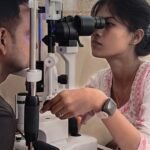
Early detection of diabetic retinopathy allows clinicians to intervene before these sight
threatening complications occur. Comprehensive eye examinations enable detailed
evaluation of retinal structures and vascular changes. Diagnostic methods such as
dilated fundus examination, fundus photography, and optical coherence tomography
provide valuable information about retinal health and the presence of macular edema.
Detecting retinal changes at an early stage provides an opportunity to implement
strategies that slow disease progression and protect visual function.
Systemic management is equally important in preventing the progression of diabetic
retinopathy. Maintaining optimal glycemic control significantly reduces the risk of
microvascular damage. Control of blood pressure and lipid levels also contributes to
improved retinal vascular stability. Clinical studies consistently demonstrate that strict
metabolic control can delay the onset and progression of retinal complications. Lifestyle
modifications including balanced nutrition, regular physical activity, and adherence to
prescribed medical therapy remain essential components of comprehensive diabetes
management.
When diabetic retinopathy is identified early, several effective treatment options are
available to preserve vision. Laser photocoagulation therapy can reduce retinal
ischemia and prevent further vascular leakage. Intravitreal injections of anti vascular
endothelial growth factor medications have become a cornerstone in the management
of diabetic macular edema and proliferative disease. These agents inhibit abnormal
vessel growth and reduce retinal swelling. In advanced cases involving persistent
vitreous hemorrhage or tractional retinal detachment, surgical intervention such as
vitrectomy may be required to restore ocular stability.
Patient education plays a critical role in the prevention of diabetes related blindness.
Many individuals underestimate the importance of routine eye screening, particularly
when their vision appears normal. Healthcare professionals must emphasize that
diabetic retinopathy can progress silently for years before symptoms develop. Regular
comprehensive eye examinations should therefore be considered an essential
component of diabetes care. Early diagnosis, combined with appropriate systemic
control and timely ophthalmic treatment, greatly reduces the risk of severe visual
impairment and helps protect long term ocular health in individuals living with diabetes.