
A Guide to UV Safety for Drivers
We often associate sun safety with beaches and outdoor sports, diligently packing
sunscreen for these activities. However, one of the most overlooked sources of sun
damage is the driver’s seat. Whether you are commuting to work or embarking on a
cross-country road trip, the time you spend behind the wheel contributes significantly
to cumulative skin damage. Understanding these risks and adopting simple habits
can protect your health and keep your skin looking youthful.
The Hidden Gap in Your Car’s Protection
Being inside a vehicle doesn’t offer the total protection many assume. While front
windshields are usually made of laminated glass that blocks most Ultraviolet A (UVA)
and Ultraviolet B (UVB) rays, side and rear windows are different. Typically made of
tempered glass, these windows filter out UVB rays, the ones that cause painful,
immediate sunburns, but allow significant UVA radiation to pass through.
UVA rays are longer wavelengths that penetrate deeper into the skin, contributing to
premature ageing, wrinkles, and long-term DNA damage that can lead to skin
cancer. Because UVA doesn't cause an immediate "pink" burn, this damage often
goes unnoticed for years. Even on overcast days, up to 80% of UV rays can
penetrate through clouds and glass, making sun safety a year-round necessity for drivers.
The "Driver’s Side" Phenomenon
In countries where people drive on the right, like the United States and Canada,
dermatologists frequently observe a striking trend: sun damage and skin cancers are
significantly more common on the left side of the body. Known as "trucker’s arm" or
asymmetrical ageing, this occurs because the left side of the face and arm receive
much higher radiation doses than the shaded right side.
Studies have shown that the driver’s side window may block as little as 71% of UVA
rays, compared to the 94% or more blocked by the front windshield. This cumulative
exposure poses a substantial risk for anyone who spends more than a few hours a
week in a car.
Essential UV Safety Tips for Every Driver
Reducing your UV exposure doesn't require a lifestyle overhaul. By incorporating
these practical, explanatory tips into your routine, you can create a safer driving
environment.
1. Use Broad-Spectrum Sunscreen: Apply a broad-spectrum sunscreen with SPF
30 or higher to your face, neck, ears, and the backs of your hands. “Broad-spectrum”
is critical because it ensures protection against both UVA and UVB rays. For drivers,
"dry-touch" or mineral-based sunscreen (containing zinc oxide or titanium dioxide) is
often preferred, as it is less likely to leave a greasy residue on the steering wheel.
Remember to reapply every two hours during long trips, as the active ingredients
break down over time.
2. Install UV-Blocking Window Film: If you are a frequent driver, consider a
professional "solar" or "ceramic" window film. These specialized films can block up to
99% of UV radiation without significantly darkening the glass, which is important for
maintaining visibility and complying with local laws. Look for products that carry the
Skin Cancer Foundation’s Seal of Recommendation. This is one of the most effective
one-time investments you can make for your long-term skin health.
3. Wear Protective Clothing and Sunglasses: Physical barriers are your most
reliable defence. Light, long-sleeved shirts, especially those with a certified
Ultraviolet Protection Factor (UPF) rating—provide excellent coverage without
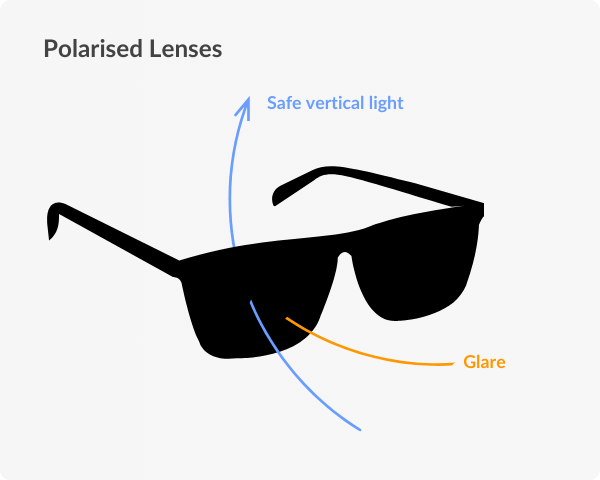
causing overheating. Additionally, do not forget your eyes. Long-term UV exposure
can contribute to cataracts and macular degeneration. Choose sunglasses labelled
"UV400" or "100% UV protection" to shield your eyes and the delicate skin around
them.
4. Utilize Sun Visors and Strategic Timing: Sun visors are not just for blocking
glare; they are physical shields. Flip them to the side to block direct rays hitting your
face and neck when the sun is low. Furthermore, if you have the flexibility, try to
avoid long drives during peak UV hours, typically between 10:00 AM and 4:00
PM—when the sun's radiation is at its most intense.
A Long-Term Investment in Your Health
UV safety for drivers is about more than avoiding a temporary tan; it is a vital part of
health preservation. Because sun damage is cumulative, every unprotected hour
adds up over a lifetime. By understanding the limitations of your vehicle and taking
these proactive steps, you can enjoy the freedom of the road without compromising
your skin’s health. Whether it’s a quick commute or a cross-country journey,
remember: the sun does not stop working just because you’ve closed the car door.