Introduction
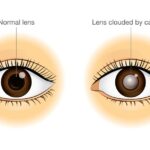
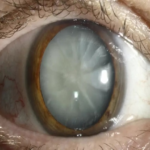
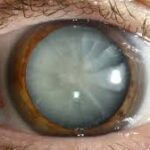
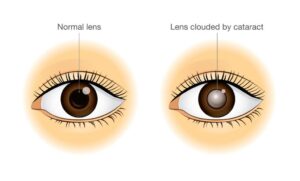
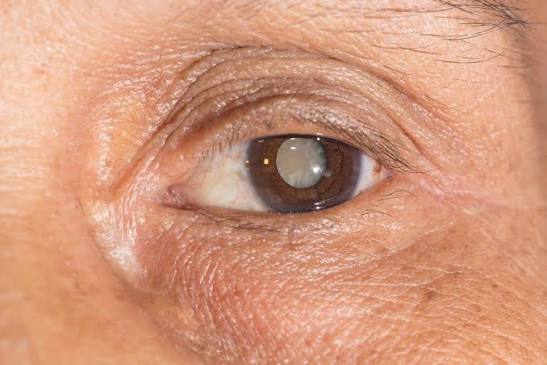
Cataract is one of the leading causes of visual impairment worldwide. It occurs when the natural lens of the eye becomes cloudy, leading to blurred vision, glare, and difficulty seeing clearly. Cataracts are commonly associated with aging, but they can also develop due to trauma, systemic diseases like diabetes, prolonged steroid use, or excessive exposure to ultraviolet (UV) radiation. Early detection plays a crucial role in preventing vision loss, and regular eye examinations are the most effective way to identify cataracts at an early stage.
Types of Cataracts:
1. Nuclear cataract – affects the central part of the lens and is often related to aging.
2. Cortical cataract – begins at the lens periphery and progresses inward.
3. Posterior subcapsular cataract – forms at the back of the lens and affects near vision more significantly.
4. Congenital cataract – present at birth or develops in early childhood.
Why Early Detection Matters
1. Prevention of Vision Loss
Cataracts develop slowly, but if left untreated, they can lead to significant visual impairment or even blindness. Regular eye exams allow eye care professionals to monitor subtle changes in the lens before they severely affect vision.
2. Improved Quality of Life
Early detection ensures that vision problems are managed promptly, allowing individuals to maintain independence in daily activities such as reading, driving, and working. Cataracts can affect contrast sensitivity and night vision, increasing the risk of accidents.
3. Timely Intervention
Although surgery is the only definitive treatment for cataracts, it is not always required immediately. Early detection helps determine the right time for surgical intervention, preventing unnecessary delays or premature procedures.
4. Detection of Associated Conditions
Regular eye exams can also help identify other eye diseases such as glaucoma, macular degeneration, or diabetic retinopathy, which may coexist with cataracts and require simultaneous management.
Role of Regular Eye Examinations
Routine eye check-ups are essential for detecting cataracts early. Eye care professionals use several diagnostic tools during an exam:
1. Visual Acuity Test
Measures how clearly a person can see at different distances. A gradual decline may indicate cataract development.
2. Slit-Lamp Examination
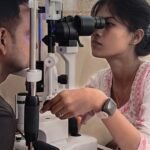
A microscope with a bright light is used to examine the structures of the eye, including the lens. It helps detect even minor opacities.
3. Retinal Examination
The pupil is dilated to examine the retina and lens more thoroughly, ensuring no other pathology is present.
4. Tonometry
Measures intraocular pressure, helping detect glaucoma, which can coexist with cataracts.
Frequency of Eye Exams
The frequency of eye examinations varies depending on age, risk factors, and existing health conditions:
Children and young adults (up to 40 years): Every 2–3 years
Adults (40–60 years): Every 1–2 years
Above 60 years: Annually
High-risk individuals (diabetes, steroid use, family history): As advised by an eye care professional
Regular check-ups are particularly important for older adults, as the risk of cataract increases significantly with age.
Risk Factors for Cataract Development Understanding risk factors helps emphasize the need for regular screening:
Aging
Diabetes mellitus
Prolonged UV exposure
Smoking and alcohol consumption
Long-term steroid use
Eye injuries or previous surgeries
Genetic predisposition Individuals with these risk factors should undergo more frequent eye examinations.
Symptoms That Should Not Be Ignored Even though early cataracts may be asymptomatic, certain warning signs indicate the need for immediate eye evaluation:
Blurred or cloudy vision
Sensitivity to light and glare
Difficulty seeing at night
Fading or yellowing of colors
Double vision in one eye
Frequent changes in spectacle prescription Regular eye exams help detect cataracts even before these symptoms become noticeable
Benefits of Early Cataract Detection
1. Better Surgical Outcomes
Early diagnosis allows surgery to be performed at the optimal stage, leading to better visual outcomes and fewer complications.
2. Cost-Effective Management
Detecting cataracts early reduces the need for emergency interventions and helps patients plan financially for surgery if needed.
3. Monitoring Disease Progression
Eye care professionals can track the progression of cataracts over time and adjust management plans accordingly.
4. Personalized Care
Early detection enables customized advice regarding lifestyle changes, protective measures, and visual aids.
Preventive Measures Alongside Regular Exams
While cataracts cannot always be prevented, certain lifestyle modifications can slow their progression:
Wearing UV-protective sunglasses
Maintaining a healthy diet rich in antioxidants (vitamins A, C, and E)
Controlling systemic diseases like diabetes
Avoiding smoking and excessive alcohol consumption
Using protective eyewear to prevent injury
These measures, combined with regular eye exams, significantly reduce the risk of severe cataract development.
Cataract and Public Health
Cataract remains a major public health concern, especially in developing countries where access to eye care services may be limited. Regular screening programs and awareness campaigns play a vital role in reducing the burden of cataract-related blindness. Early detection through community-based eye exams can help identify patients who need surgical intervention, improving overall visual health outcomes in the population.
Conclusion
Regular eye examinations are essential for the early detection and management of cataracts. Since cataracts develop gradually and may not show symptoms initially, routine check-ups are the most reliable way to identify the condition at an early stage. Early detection not only prevents vision loss but also improves quality of life, ensures timely treatment, and reduces healthcare costs.
Incorporating regular eye exams into one’s healthcare routine, especially for older adults and high-risk individuals, is a simple yet powerful step toward preserving vision. Combined with healthy lifestyle choices and awareness, early cataract detection can significantly reduce the global burden of visual impairment and blindness.