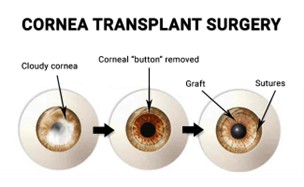
Corneal donation is a remarkable act of humanity in which a person donates their cornea after death to restore vision in individuals suffering from corneal blindness. The cornea is the transparent front part of the eye that plays a vital role in focusing light and enabling clear vision. Damage or disease of the cornea can lead to severe visual impairment or blindness, despite the rest of the eye being healthy. Through corneal transplantation, sight can be successfully restored, making corneal donation one of the most effective forms of organ donation. Because it allows a person to bring light into the lives of others even after death, corneal donation is rightly called “the ultimate gift of sight after life.”
What is the Cornea?
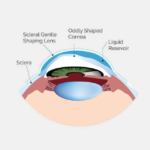
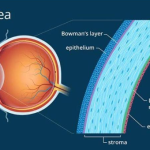
The cornea is the clear outer layer of the eye that allows light to enter and helps focus vision. Damage or disease of the cornea can lead to severe visual impairment or complete blindness.
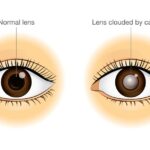
What is Corneal Blindness?
Corneal blindness occurs due to:
Trauma or injury
Infections (keratitis)
Vitamin A deficiency
Congenital corneal disorders
Scarring after measles or trachoma
Chemical burns
It is one of the leading causes of preventable blindness in India, especially among young people.
What is Corneal Donation?
Corneal donation involves removing the cornea from a deceased person within 6 hours of death and transplanting it into a patient with corneal opacity through a surgical procedure called keratoplasty.
✔ Only the cornea is removed—not the whole eye
✔ The face is not disfigured
✔ The procedure is quick and respectful
Who Can Donate Corneas?
Almost anyone can donate, irrespective of:
Age
Gender
Use of spectacles
Cataract surgery
Not suitable donors include:
HIV/AIDS
Hepatitis B & C
Rabies
Septicemia
Certain cancers affecting the eye
Types of Corneal Transplant (Keratoplasty)
1. Penetrating Keratoplasty – Full-thickness corneal transplant
2. Lamellar Keratoplasty – Partial-thickness transplant
3. Endothelial Keratoplasty – Only inner corneal layers replaced
Procedure of Corneal Donation
1. Death is certified
2. Eye bank is informed
3. Corneas are retrieved within 6 hours
4. Stored in preservative medium
5. Transplanted to a suitable recipient
Importance of Corneal Donation
Restores sight and independence
Improves quality of life
Reduces burden of avoidable blindness
Helps achieve Vision 2020: The Right to Sight
Myths and Facts
❌ Eye donation disfigures the face
✔ False – No visible disfigurement
❌ Old people cannot donate
✔ False – No age limit
❌ Religion does not allow eye donation
✔ False – All major religions support donation
Role of Eye Banks
Collection and preservation of corneas
Screening for infections
Distribution to hospitals
Public awareness and motivation
How to Pledge Eye Donation
Fill an eye donation pledge form
Inform family members
Carry a donor card
Contact nearest eye bank after death
Conclusion
Corneal donation is a noble and selfless act that allows a person to give the gift of sight even after death. By donating the cornea, one individual can restore vision to two blind persons, transforming their lives and making them independent and productive. It is a simple, respectful procedure that does not disfigure the body and is supported by all major religions. In a country like India, where corneal blindness is a significant public health problem, increased awareness and participation in corneal donation can greatly reduce avoidable blindness. Thus, corneal donation truly stands as the ultimate gift of sight after life, proving that even in death, one can bring light and hope to others.