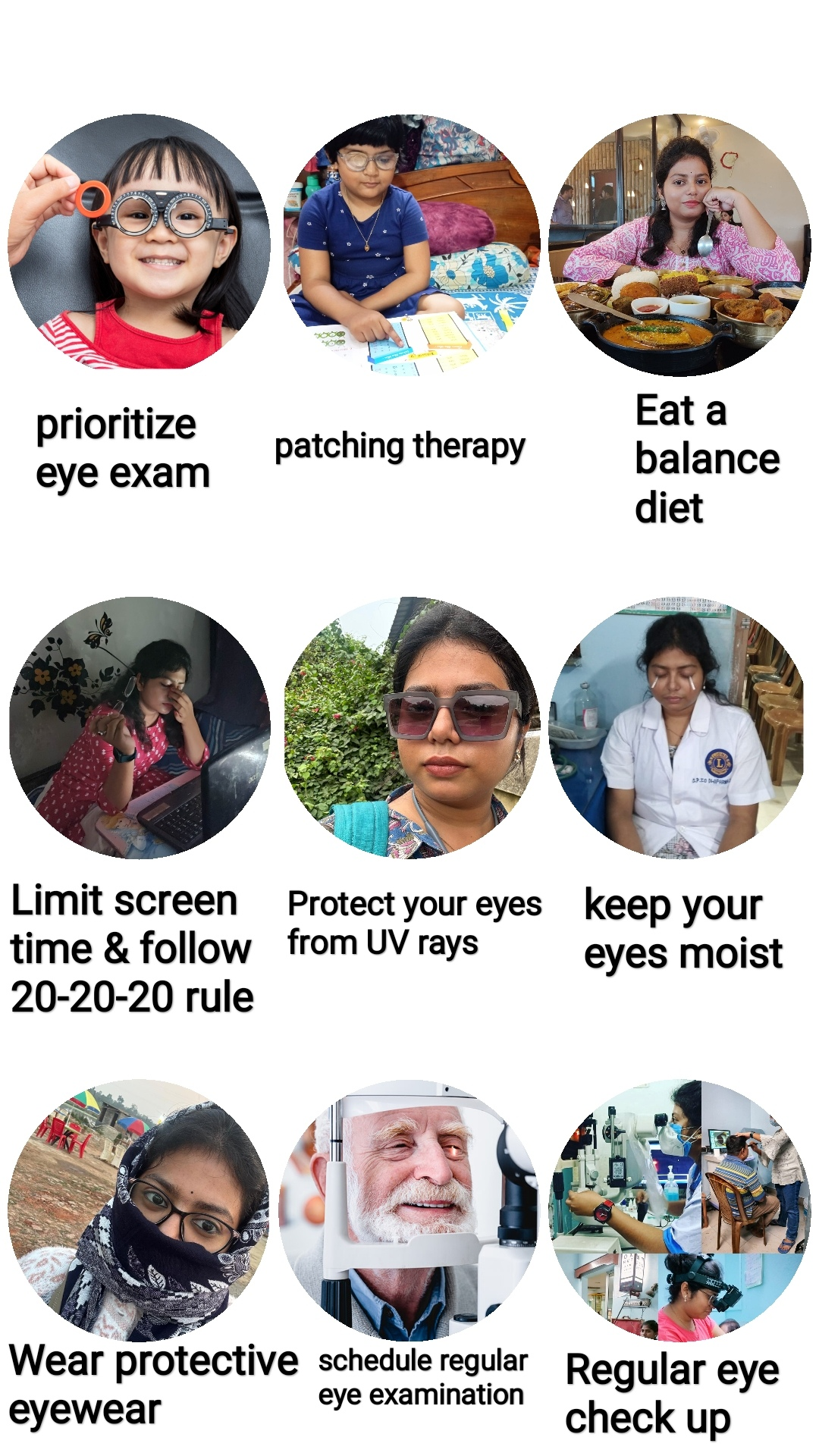
Maintain pediatric eye health by encouraging 1–2 hours of daily outdoor
activity to reduce myopia risk, limiting screen time, and ensuring a diet rich
in vitamins A, C, E, and omega-3s. Schedule comprehensive eye exams
starting early and use protective eyewear for sports. Key habits include
proper lighting, frequent breaks from close-up work, and maintaining good
hand hygiene to prevent eye infections.
Tips for Pediatric Eye Health
Boost Outdoor Time: Encourage 2–3 hours of daily outdoor play in
natural light. This reduces the risk of myopia (nearsightedness) and
allows eye muscles to relax.
Manage Screen Time & Distance: Follow the 20-20-20 rule: every 20
minutes, have children look at something 20 feet away for 20
seconds. Encourage an elbow-length distance between the eyes and
screens or books.
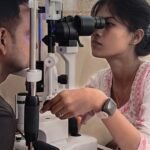
Prioritize Eye Exams: Comprehensive eye exams are crucial for
diagnosing issues like myopia, lazy eye, and focusing issues, which
standard pediatrician screenings might miss.
Nutritious Diet: Include “rainbow” foods—fruits and vegetables
(carrots, leafy greens), eggs, and nuts, which are rich in vitamins A,
C, E, and omega-3 fatty acids.
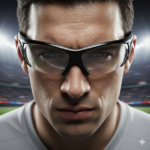
Safety First: Ensure children wear protective goggles during sports or
high-impact games to prevent eye injuries.
Ensure Good Lighting: Use adequate, well-lit spaces for reading and
studying to avoid eye strain.
Monitor for Symptoms: Watch for signs like squinting, rubbing eyes
frequently, headaches, or sitting too close to the television, which
could indicate a need for glasses or a checkup.
For school age children
Maintaining eye health for school-age children involves regular
comprehensive eye exams, limiting screen time, ensuring proper lighting,
promoting outdoor play, and enforcing protective eyewear. Key habits
include the 20-20-20 rule to reduce digital eye strain, eating a diet rich in
vitamins A, C, and E, and wearing 100% UV-protective sunglasses.
Tips for Children’s Eye Health
Regular Eye Exams: Schedule comprehensive eye exams for
children, as they can identify early vision issues like myopia, lazy eye,
or strabismus.
Limit Screen Time: Excessive digital device usage causes eye strain
and increases the risk of myopia. Encourage breaks using the 20-20-
20 rule: every 20 minutes, look away from the screen at something 20
feet away for 20 seconds.
Encourage Outdoor Activities: Spending time outdoors allows
children to focus on distant objects, reducing eye strain and helping
to prevent myopia progression.
Sun Protection: Ensure children wear sunglasses with 100% UV
protection, as UV rays can cause serious, long-term eye conditions.
Protective Eyewear: Use safety glasses during contact sports,
science experiments, or when using tools to prevent injury.
Proper Nutrition: A diet rich in nutrients supports eye health, including
leafy greens, carrots, fish (salmon, tuna), eggs, and citrus fruits.
Practice Good Hygiene: Teach children to wash hands frequently and
avoid rubbing their eyes to prevent infections like conjunctivitis (pink
eye).
Adequate Lighting: Ensure proper lighting during reading and
homework to minimize eye strain.
Recognize Vision Problem Signs: Watch for signs like frequent
squinting, eye rubbing, headaches, or holding books too close, as
suggested by and.
For young adults(age 18 to 35 years)
Maintaining eye health between the ages of 18 and 35 is critical to prevent
long-term vision problems, as this period often involves high digital screen
exposure and the onset of early eye conditions. Key preventative measures
include regular eye exams, protecting eyes from UV rays, managing screen
time, and adopting a nutrient-rich diet.
Here are the top tips for maintaining eye health for young adults:
1. Protect Against Screen-Induced Dryness and Strain
Dry eye disease is increasingly common in the 18–35 age group, often
driven by low blink rates and prolonged screen exposure.
Follow the 20-20-20 Rule: Every 20 minutes, look at something 20
feet away for at least 20 seconds to reduce eye fatigue.
Blink Frequently: Make a conscious effort to blink to keep eyes moist,
or use artificial tears to refresh them.
Optimize Screen Setup: Position computer monitors so the top is
slightly below eye level and maintain an arm’s length distance
(roughly 25 inches).
Limit Screen Time Before Bed: Avoid digital devices at least 1–2
hours before sleeping.
2. Protect Your Eyes Outdoors and at Home
Wear UV Protection: Always wear sunglasses with 99 to 100%
UVA and UVB protection, even on cloudy days, to prevent
cataracts and retinal damage.
Use Safety Eyewear: Wear protective goggles during home
improvement projects, when using strong chemicals, or while
playing sports to prevent injuries.
Proper Contact Lens Care: Never sleep in your contact lenses
unless prescribed, and avoid cleaning them with water or saliva
to prevent infections.
3. Nutrition for Long-Term Vision
Eat Eye-Healthy Foods: Consume foods rich in
antioxidants, omega-3 fatty acids, lutein, and zeaxanthin.
Key foods include dark leafy greens (spinach, kale), fish
(salmon, tuna), citrus fruits, and eggs.
Stay Hydrated: Drink at least 8–10 glasses of water daily
to prevent dry, irritated eyes.
Avoid Smoking: Quitting smoking (or not starting) is
essential, as it increases the risk of developing cataracts
and macular degeneration.
4. Routine Eye Examinations
Even if your vision is fine, regular check-ups are necessary to detect silent
conditions.
Frequency: Young adults should have a complete eye exam every 1
to 2 years, or more frequently if they wear contact lenses or have
diabetes/family history.
Know Your Family History: Many eye diseases are hereditary;
knowing your family history helps in early detection.
5. Daily Lifestyle Habits
Get Enough Sleep: Aim for 7–9 hours of sleep to allow your
eyes to rejuvenate.
Avoid Rubbing Your Eyes: This can introduce germs and cause
damage to the cornea.
Remove Makeup: Always remove eye makeup before sleeping
to prevent irritation.
For adults (age 35 to 60 years)
Maintaining eye health for adults between 35 and 60 is crucial for early
detection of age-related conditions like presbyopia, glaucoma, and macular
degeneration. Key strategies include scheduling comprehensive eye
exams, eating a nutrient-rich diet, protecting eyes from UV light and digital
strain, and managing systemic health issues like diabetes.
Essential Eye Health Tips (Age 35-60)
Get Regular Comprehensive Eye Exams:
Age 35–40: Begin to receive regular evaluations. African Americans
and those with high risk should have exams every 1-2 years starting
at 35.
Age 40–60: A baseline comprehensive eye exam is recommended at
age 40 to check for early signs of disease.
Frequency: Adults over 40 should have an exam every 1-2 years, or
as recommended by a doctor.
Manage Chronic Health Conditions:
Diseases such as high blood pressure and diabetes can cause vision
loss (diabetic retinopathy).
Keep blood sugar and blood pressure within a healthy range to
protect the small blood vessels in the eyes.
Practice the 20-20-20 Rule for Screen Time:
Prolonged screen time leads to digital eye strain and dry eyes.
Every 20 minutes, look at something 20 feet away for 20 seconds to
relax eye muscles.
Adjust screen brightness and maintain a distance of 20-24 inches
from monitors.
Wear UV-Protective Sunglasses:
Wear sunglasses that block 100% of UVA and UVB rays, even on cloudy
days, to reduce the risk of cataracts and macular degeneration.
Eat an Eye-Friendly Diet:
Consume foods rich in lutein, zeaxanthin, omega-3 fatty acids, and
zinc.
Incorporate leafy green vegetables (spinach, kale), oily fish (salmon,
tuna), citrus fruits, and eggs.
Quit Smoking:
Smoking is directly linked to increased risks of cataracts, macular
degeneration (AMD), and optic nerve damage.
Address Dry Eye Syndrome:
As tear production decreases with age, especially after 40, use artificial
tears or lubricating drops to alleviate irritation.
Use Safety Eyewear:
Wear protective goggles during home improvement projects, sports, or
when working with chemicals to prevent injuries.
Specific Age-Related Considerations
40+ (Presbyopia): You may notice difficulty reading small print,
necessitating reading glasses, bifocals, or multifocal contact lenses.
50+ (Macular Degeneration/Cataracts): Risk increases for AMD and
cataracts, making annual comprehensive exams more important.
Lighting: As you age, you will likely need more light to see clearly, so
increase lighting in reading areas.
For old age ( Above 60 years)
Maintaining eye health after 60 involves annual dilated eye exams to detect
age-related diseases early. Protect your eyes from UV rays with
sunglasses, follow a, balanced diet rich in leafy greens and fish (omega-3,
lutein), quit smoking, manage chronic conditions like diabetes and high
blood pressure, and use the 20-20-20 rule for screen time.
Tips for Eye Health Over 60
Annual Comprehensive Dilated Eye Exams: This is the most crucial
step, as many eye diseases (glaucoma, AMD, diabetic retinopathy)
have no early symptoms.
Know Your Family History: Understand the eye health history of your
family to identify potential risks.
Protect Eyes from UV Rays: Wear 100% UV-blocking sunglasses and
wide-brimmed hats outdoors to reduce the risk of cataracts and
macular degeneration.
Eat Nutrient-Rich Foods: Focus on foods high in vitamins A, C, E,
and omega-3 fatty acids, such as spinach, kale, leafy greens, and
fatty fish.
Manage Chronic Health Conditions: Control diabetes and high blood
pressure, as these can significantly impact vision.
Quit Smoking: Smoking dramatically increases the risk of age-related
macular degeneration (AMD) and cataracts.
Reduce Digital Strain: Use the “20-20-20” rule: Every 20 minutes,
look at something 20 feet away for 20 seconds.
Use Safety Eyewear: Use protective goggles for DIY projects,
gardening, or sports to prevent injury.
Maintain Healthy Habits: Regular exercise helps keep blood pressure
in check and supports healthy blood flow to the eyes.
Manage Dry Eye: Use artificial tears and ensure proper, regular
cleaning of eyelids if you suffer from dry eyes.
Common Vision Changes to Monitor
Presbyopia: Difficulty seeing close-up, requiring reading glasses.
Cataracts: Clouding of the eye’s lens, leading to blurred vision.
Age-Related Macular Degeneration (AMD): Loss of central vision.
Glaucoma: Damage to the optic nerve, often related to high eye
pressure.
Floaters: Small specks or clouds moving in your field of vision.
Safety Tips for Driving
Get Regular Screenings: Ensure your, prescription is up to date for
night driving.
Reduce Night Driving: Avoid driving at night or in rainy conditions if
you experience severe glare or poor vision.
Check Blind Spots: Turn your head frequently to compensate for
decreased peripheral vision.
Maintaining eye health across all ages requires a combination of regular
comprehensive eye exams, a nutrient-rich diet, UV protection, and reducing
digital eye strain. Essential habits include the 20-20-20 rule, wearing sunglasses, smoking cessation, and managing chronic conditions like
diabetes to prevent vision loss.