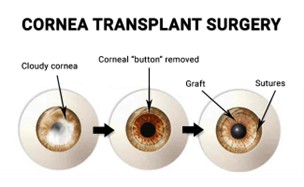
Corneal Donation: The Ultimate Gift of Sight After Life
Corneal donation is a remarkable act of humanity in which a person donates their cornea after death to restore vision in individuals suffering from corneal blindness. The cornea is the…
Corneal donation is a remarkable act of humanity in which a person donates their cornea after death to restore vision in individuals suffering from corneal blindness. The cornea is the…

Protective eyewear is crucial for athletes because it prevents severe and potentially permanent eye injuries, such as blindness or retinal detachment, caused by impacts from balls, elbows, or falls. It…
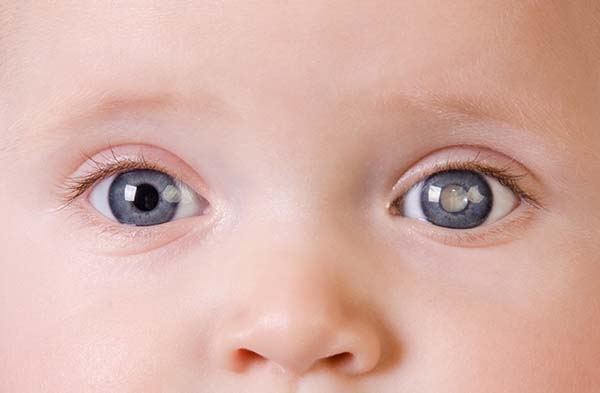
Cataract is also known as waterfall, it defined as any opacity in the lens or its capsule known as cataract which can lead to partial or complete loss of vision.…
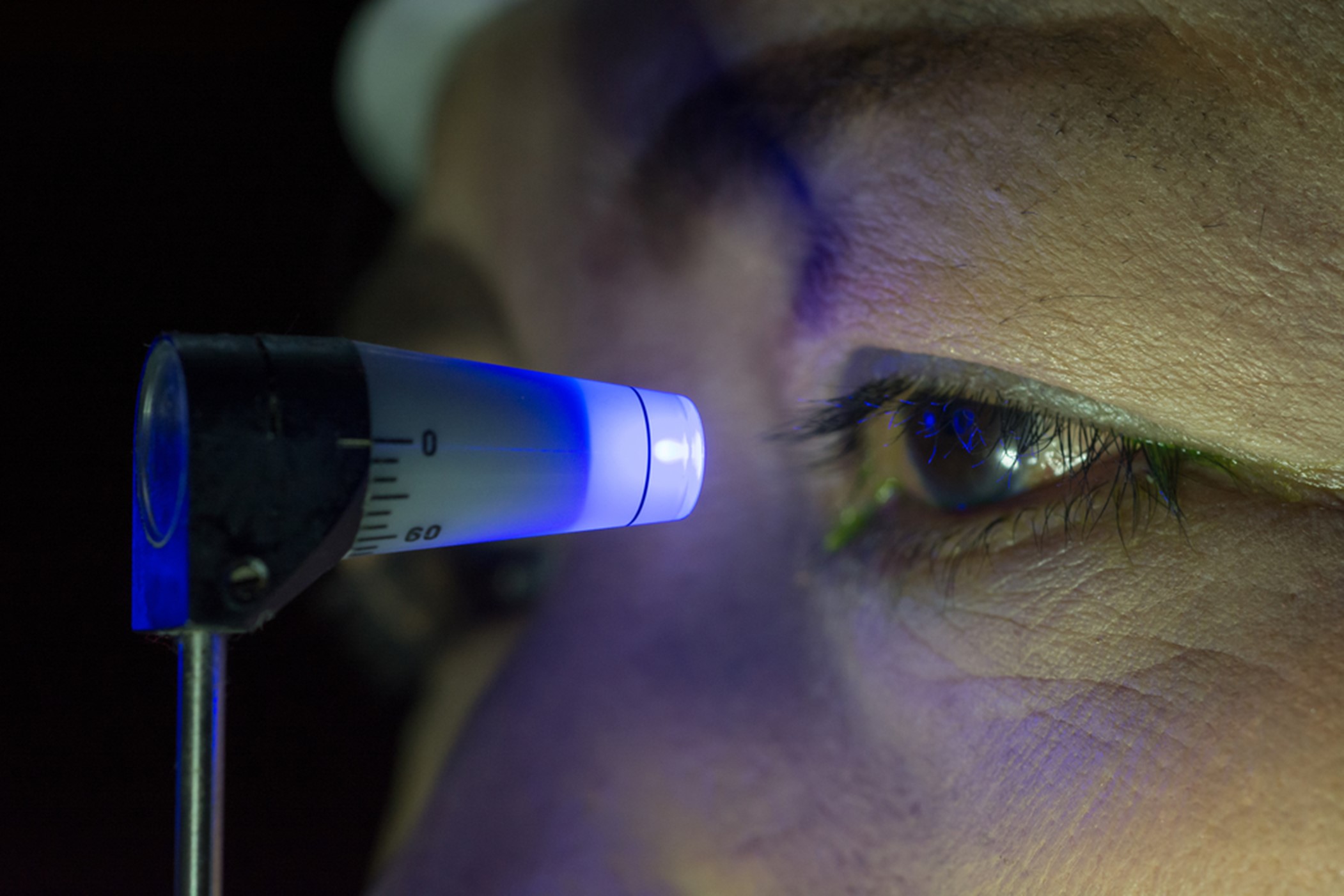
The Goldmann applanation tonometer (GAT) is considered accurate, highly reliable, and simple to use. Moreover, this instrument is extremely well established in clinical use and research. In 1948, Hans Goldmann…
Strabismus is a disorder in which both eyes do not line up in the same direction. Therefore, they do not look at the same object at the same time. The…
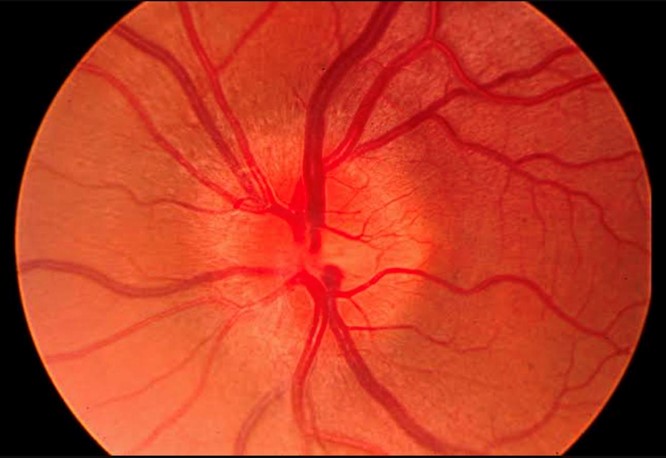
Introduction: Optic neuritis is a condition that affects the eye and your vision. It occurs when your optic nerve is inflamed and swollen. The optic nerve sends messages from your…
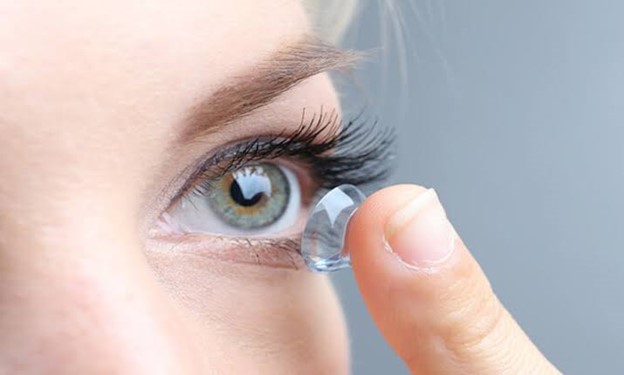
Contact lenses have revolutionized vision correction, offering a convenient and effective alternative to traditional eyeglasses. These tiny, seemingly simple devices are actually complex pieces of technology, composed of several key…
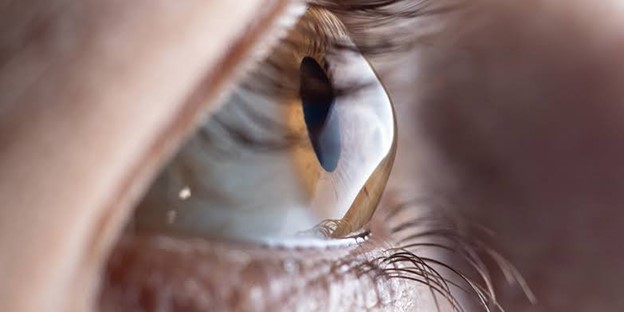
Keratoconus is a relatively rare eye condition that affects the structure of the cornea, leading to visual impairment. While it’s not a well-known condition, understanding its symptoms, causes, and treatment…
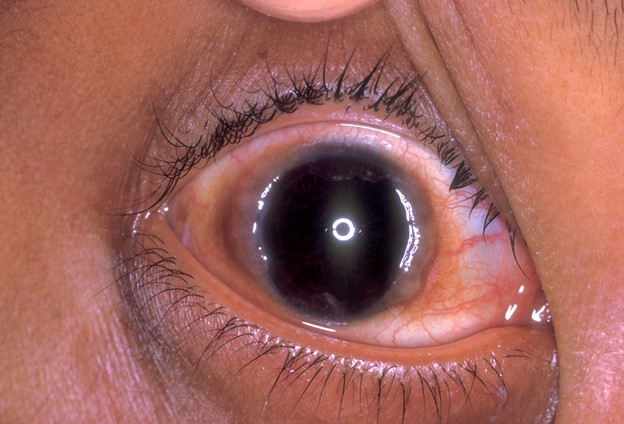
Introduction Vernal keratoconjunctivitis (VKC) is a recurrent, bilateral allergic inflammation of the conjunctiva. The episodes are often periodic and have seasonal recurrences. Seasonal exacerbations characterize the condition in the initial…
The Van Herrick technique is a quick and easy way to estimate anterior chamber depth, which allows grading of patients according to the likelihood of having primary acute closed-angle glaucoma.…